


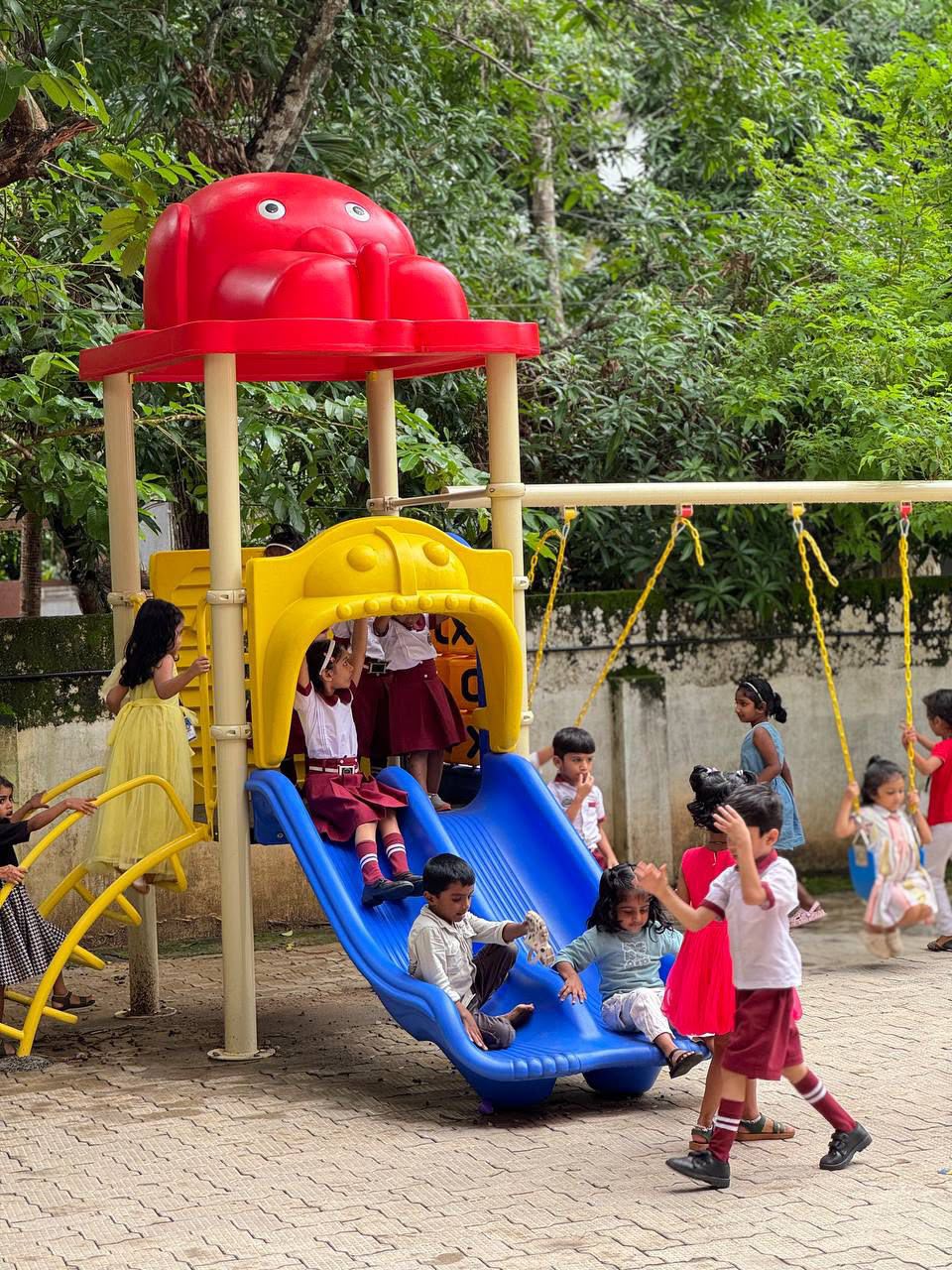
Play is an essential part of childhood. It gives children opportunities to explore their surroundings, develop physical coordination, interact with others and learn through everyday experiences. For schools, creating a suitable play environment can make the campus more engaging while supporting children’s physical and social development.
Choosing the right play equipment for schools requires careful planning. Schools need to consider the age of the children, available space, equipment quality, safety requirements and long-term maintenance. Selecting equipment based only on appearance or price may not provide the best results.
Whether you are setting up a new playground or upgrading an existing play area, understanding these factors can help you make a practical and informed decision.
1. Consider the Age Group of the Children
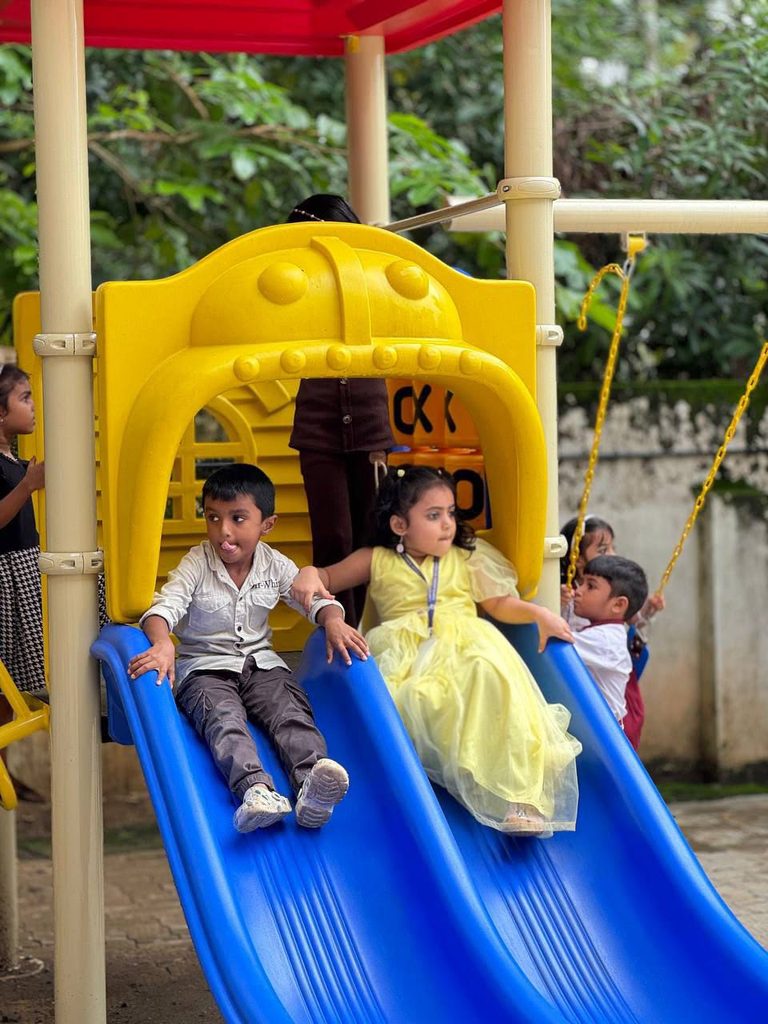
The first step in choosing play equipment for schools is identifying the age group that will use it. Different age groups have different physical abilities, interests and supervision requirements.
For preschools and kindergartens, low-height slides, simple climbing structures, interactive panels and age-appropriate multi-play stations can provide opportunities for exploration. These options should be designed for young children and allow them to participate comfortably.
Primary schools may require a wider variety of activities, including climbing, balancing and group play. Equipment should be suitable for the children’s abilities and designed for its intended age range.
If children of different ages will share the same playground, consider creating separate activity zones. This can make the space more organised and help children use equipment suited to their needs.
Before purchasing any product, check its recommended age group, dimensions and installation requirements. Choosing equipment that matches the children’s needs is an important first step towards creating a functional play area.
2. Make Safety a Priority
Safety should be one of the most important considerations when selecting playground equipment. Schools should check the construction, design and installation requirements of every product before making a purchase.
Look for sturdy structures, secure connections, suitable barriers where required and designs that minimise avoidable hazards. Equipment should not have exposed sharp edges, dangerous protrusions or loose components.
The surrounding space is equally important. Children need adequate room to move around the equipment, and walking paths should remain clear. Slides, swings and climbing structures may require specific clearance areas according to the manufacturer’s instructions and applicable safety standards.
The playground surface should also be appropriate for the type of equipment installed. Follow the manufacturer’s guidance and applicable safety requirements when selecting surfacing materials and planning fall zones.
Ask suppliers for product specifications, relevant safety documentation and installation guidance. Regular inspections and appropriate adult supervision are also essential for maintaining a safe play environment.
3. Choose Durable and Suitable Materials
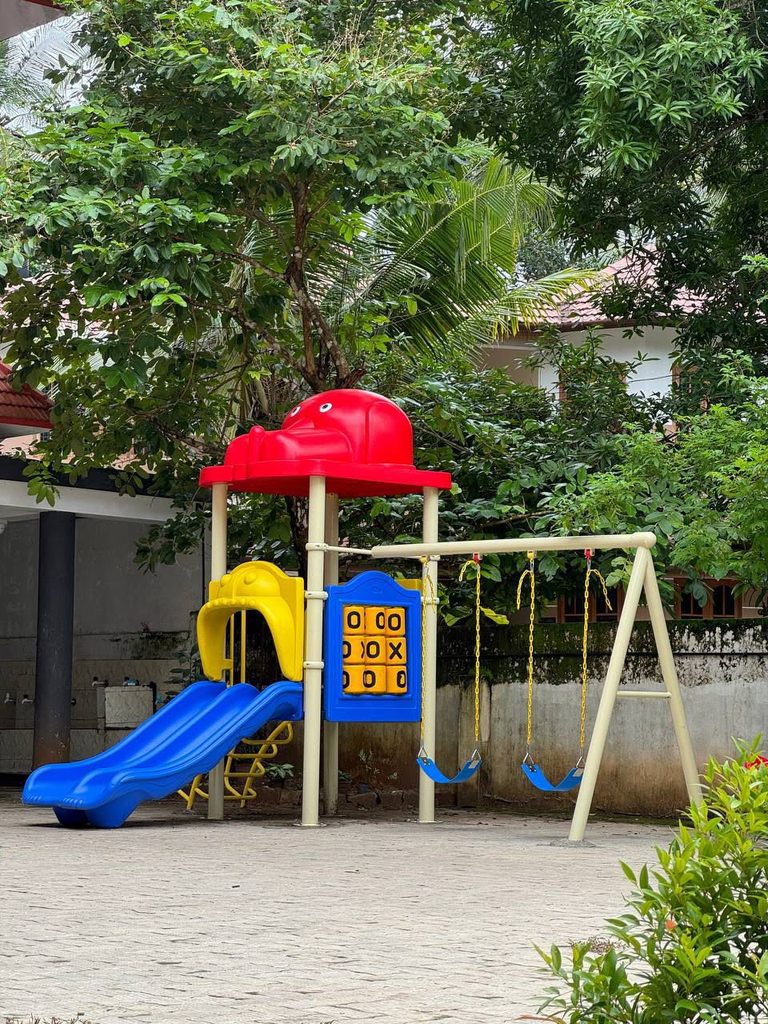
School playgrounds often experience frequent use. Outdoor equipment may also be exposed to rain, sunlight, humidity and changing weather conditions. Material quality therefore plays an important role in long-term performance.
Before choosing a product, consider the strength of its structural components, the quality of its surface finish and its suitability for the intended environment.
For outdoor playgrounds, weather-resistant materials and suitable corrosion protection can be particularly important. In regions such as Kerala, where heavy rain and humidity may affect outdoor installations, drainage and routine maintenance should also be considered.
Indoor play equipment has different requirements. Schools should look for suitable surfaces, stable construction, materials that can be cleaned easily and products designed for indoor use.
Durability depends not only on the material but also on product design, installation quality and maintenance. Review these factors together before making a final decision.
4. Evaluate the Available Playground Space
The size and layout of the available area will influence the type of play equipment a school can install. A playground should accommodate the equipment without making the space crowded or restricting children’s movement.
Start by measuring the usable area and identifying entrances, pathways, walls, trees and other obstacles. Consider how children will access each activity and how staff can supervise the play area.
Schools with limited space may benefit from compact structures or multi-play stations that offer several activities in one installation. Larger campuses may be able to create separate zones for climbing, sliding, balancing and imaginative play.
Remember to include the necessary safety clearances and access areas when planning the layout. The goal is to create a functional playground rather than simply fitting as much equipment as possible into the available space.
A well-planned layout can make the play area easier to supervise and help children move between activities more comfortably.
5. Decide Between Indoor and Outdoor Play Equipment
The choice between indoor and outdoor play equipment depends on the school’s facilities, available space and intended activities.
Indoor play equipment can be useful for preschools, activity rooms and campuses with limited outdoor space. Depending on the children’s ages and the room layout, options may include soft-play structures, small climbing units, activity panels and indoor multi-play stations.
Outdoor play equipment can make better use of open campus areas. Slides, swings, climbing structures and multi-activity units can provide opportunities for active play when appropriately designed and installed.
Some schools may benefit from a combination of both. An indoor activity area can complement an outdoor playground and provide additional options when weather conditions limit outdoor activities.
Before purchasing equipment, consider the installation requirements, available supervision, cleaning needs and long-term maintenance for each environment.
The final choice should reflect the school’s space, budget and the activities that are most suitable for its students.
6. Select Equipment That Encourages Different Activities
A well-planned playground can offer different types of activities rather than focusing on only one form of play.
Climbing structures provide opportunities for movement and coordination. Balancing activities encourage children to practise controlled movements, while slides and other movement-based equipment can add variety to the playground.
Interactive panels and imaginative play structures can encourage exploration and social interaction. Multi-play stations may be suitable for schools that want to provide several activities within a limited footprint.
The right combination depends on the children’s age groups, interests and the school’s available space. Schools do not need to install every type of equipment. A smaller selection of suitable, well-maintained products can be more useful than an overcrowded playground.
When comparing options, consider the activities each product supports and whether it will be practical for regular school use.
7. Consider Accessibility and Inclusive Play
Play areas should be planned with the needs of different children in mind. Where possible, schools can consider accessible routes, ground-level activities and equipment that allows children with different abilities to participate.
The appropriate design will depend on the site and the needs of the students. Features may include accessible pathways, clear movement areas, suitable entry points and interactive activities that do not require climbing.
Schools should also consider the playground surface, access between different activities and the ability of staff to supervise children effectively.
Discuss specific accessibility requirements with qualified professionals and equipment suppliers before finalising the design. Inclusive planning can help create a play environment that is more welcoming to a wider range of students.
8. Understand Installation and Maintenance Requirements
Even high-quality playground equipment requires correct installation and regular inspection. Before purchasing, confirm whether installation is included and whether the site needs any preparation.
The surface beneath and around the equipment is particularly important. It should be suitable for the equipment and its expected use, with appropriate impact protection where required. Follow the manufacturer’s instructions and applicable safety requirements.
Schools should establish a maintenance routine that includes checking fasteners, joints, moving parts, surfaces and signs of wear. Damaged equipment should be restricted from use until it has been assessed and repaired appropriately.
Cleaning is also important, particularly for indoor play equipment used by younger children. Understanding these requirements in advance helps schools plan for ongoing upkeep.
Before finalising a purchase, ask the supplier about maintenance recommendations, replacement parts and the availability of after-sales support.
9. Compare Cost, Quality and Long-Term Value
Budget is an important factor when selecting play equipment, but the lowest initial price may not always provide the best long-term value.
When comparing products, consider material quality, installation expenses, expected usage, maintenance requirements, replacement parts and warranty conditions.
Ask suppliers to explain what is included in the quoted price. Check whether site preparation, delivery, installation and after-sales support are included or charged separately.
It is also useful to compare product specifications rather than relying only on photographs or promotional descriptions. Clear information helps schools evaluate whether a product meets their requirements.
A practical purchase balances affordability with safety, suitability and expected service life.
Schools should consider both immediate needs and future plans. Choosing suitable equipment at the planning stage may help avoid unnecessary changes when the campus expands or the needs of its students change.
10. Choose a Supplier Who Understands School Requirements
The supplier can help schools identify equipment that suits their students, space and budget. A reliable supplier should be able to explain product features, recommended age groups, installation requirements and maintenance needs.
Before choosing a supplier, discuss the purpose of the playground, the number of children expected to use it and the type of activities the school wants to provide.
Ask for clear specifications and relevant documentation. If installation is included, confirm the scope of work, site requirements and after-sales arrangements.
Schools planning a complete learning environment may also need classroom desks, chairs, storage units and other educational furniture. When evaluating School Furniture in Kerala, it is useful to consider the durability, comfort and suitability of furniture for different educational spaces.
For schools looking to plan their classroom facilities alongside their playground, explore our School Furniture in Kerala solutions. The right combination of classroom furniture and play facilities can help create a more functional and engaging school environment.
11. Plan Your Playground Around the School’s Needs
Every school has different priorities. A preschool with a compact activity room will have different requirements from a large school with an outdoor playground.
Before finalising your purchase, prepare a list of essential requirements:
- The ages and needs of the children using the playground.
- The available indoor or outdoor space.
- The activities you want to encourage.
- Safety, accessibility and supervision considerations.
- Installation, cleaning and maintenance requirements.
- The available budget and future expansion plans.
This preparation makes it easier to compare products and avoid purchasing equipment that does not suit the school.
Schools should also consider their wider learning environment when planning new facilities. If you are upgrading classrooms alongside play areas, read our guide on how to choose the right school furniture for your classroom for practical advice on selecting appropriate classroom furniture.
Final Thoughts
Choosing safe and durable play equipment for schools involves more than selecting attractive products. Age suitability, material quality, safety, space planning, installation and maintenance all contribute to a successful playground.
By understanding the school’s needs and comparing suitable options carefully, schools can plan play areas that support children’s everyday activities and fit their available facilities.
A well-planned playground, together with comfortable and functional classroom spaces, can contribute to a more engaging educational environment. Taking time to evaluate the requirements before purchasing helps schools make practical decisions for the long term.