


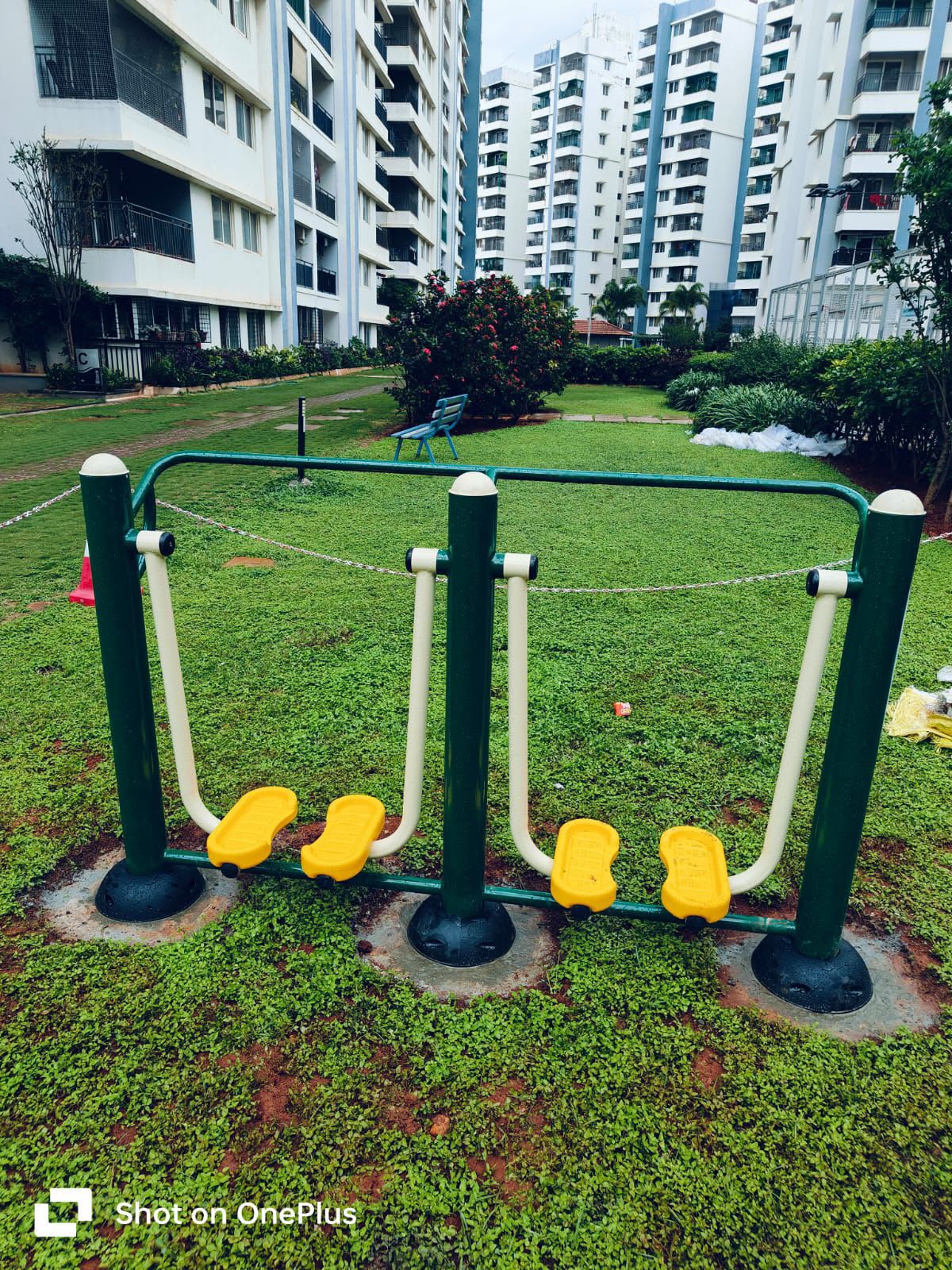
Choosing the right indoor play equipment in Malappuram can help property owners create dedicated play spaces for children within apartments, hotels, commercial buildings and family-oriented facilities. Indoor play areas can make productive use of available rooms and provide children with opportunities for recreational activities without relying entirely on outdoor space.
From soft-play structures and small slides to climbing features and interactive activity panels, indoor equipment comes in different sizes and configurations. The most suitable option depends on the room dimensions, intended age group, budget and how the play area will be used.
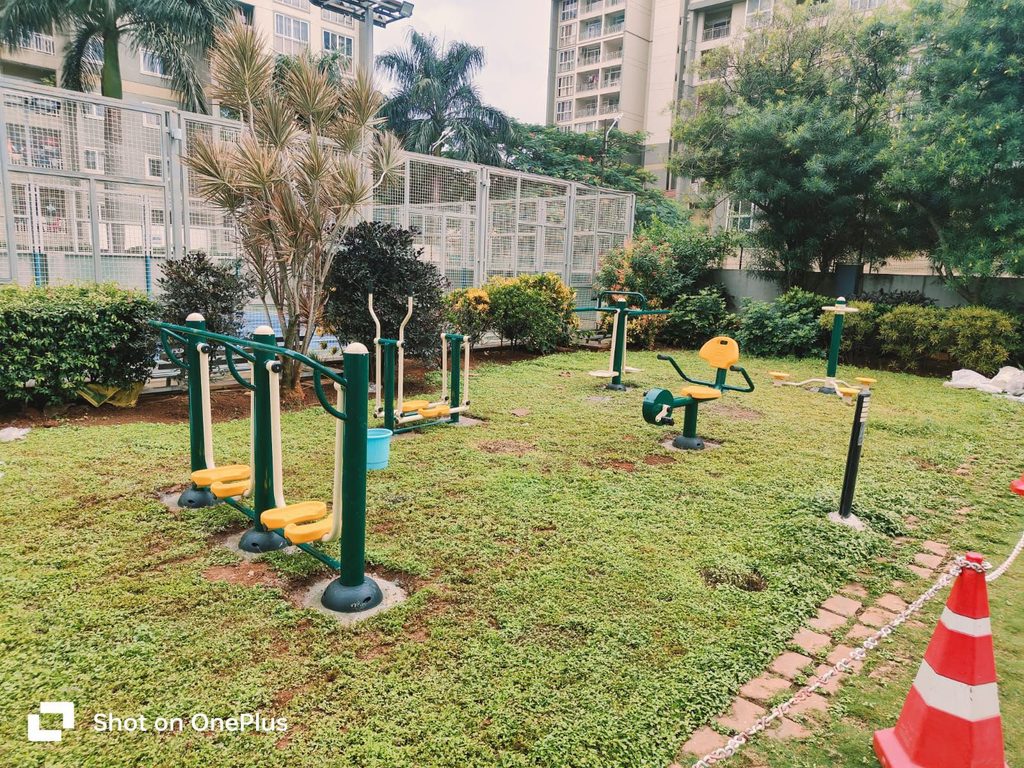
1. Why Indoor Play Areas Are Useful
Indoor play areas can be a practical option for properties that want to provide children’s recreational facilities in a designated space. They may be particularly useful when outdoor space is limited or when a property wants to offer an additional indoor amenity.
Potential locations include:
- Apartment clubhouses and shared recreation rooms.
- Hotels and resorts with family facilities.
- Indoor children’s activity centres.
- Commercial buildings that serve families.
- Selected waiting or recreation areas where a dedicated play space is appropriate.
Before converting a room into a play area, assess whether the space can accommodate the equipment, access routes, ventilation, supervision and maintenance requirements.
2. Types of Indoor Play Equipment
Different types of indoor play equipment support different activities. The equipment should be chosen according to the age range of children expected to use the facility.
Soft-Play Equipment
Soft-play structures often use padded components and are available in various configurations. Depending on the design, they may include tunnels, padded obstacles, climbing features and small slides.
Review the product’s intended age group, cleaning requirements, material specifications and installation instructions before choosing a soft-play system.
Indoor Slides
Indoor slides can be suitable for playrooms with sufficient floor area and ceiling height. Consider the slide’s dimensions, access steps, landing space and the manufacturer’s recommended clearance.
Compact designs may be an option for smaller rooms, provided that the equipment can be installed and used according to its specifications.
Indoor Climbing Structures
Indoor climbing equipment can encourage physical movement and active play. Different structures have different height, spacing and surfacing requirements, so the product must match the intended users and the available room.
Check the manufacturer’s installation requirements and ensure that the surrounding area is planned appropriately.
Interactive Play Panels
Interactive panels and activity boards provide opportunities for children to explore different features. These may be considered for smaller playrooms where a large climbing structure is not practical.
Choose products that are suitable for the intended age group and easy for staff or caregivers to inspect and maintain.
Compact Play Systems
Some indoor play systems combine multiple play features within one structure. These may help make efficient use of a dedicated room, but their suitability depends on the required clearances and the total available floor area.
3. How to Choose Indoor Play Equipment for Your Space
Before selecting products, identify the purpose of the play area and assess the room carefully.
Measure the room: Record its dimensions, ceiling height, doors, windows, columns and fixed installations.
Identify the age group: Equipment designed for toddlers may differ significantly from structures intended for older children.
Review the layout: Leave suitable access routes and clearance around the equipment.
Check product specifications: Confirm dimensions, material details, intended use and installation requirements.
Consider supervision: Plan the arrangement so caregivers can observe children and access the play area appropriately.
Evaluate maintenance: Consider how frequently equipment needs cleaning, inspection and repair.
Planning these details before purchasing can help prevent overcrowding and reduce the likelihood of choosing equipment that does not fit the intended space.
4. Indoor Play Equipment for Apartments
Apartment complexes may have clubhouses, multipurpose rooms or shared recreation spaces that could accommodate an indoor play area. The equipment should be selected according to the room’s size and the needs of residents.
Smaller rooms may be better suited to compact activity panels, soft-play elements or limited play structures. Larger spaces may provide more flexibility for combining several features.
Apartment associations and developers should consider noise, access, cleaning responsibilities, operating rules and supervision arrangements. They should also confirm that the proposed use complies with relevant building and fire-safety requirements.
A practical indoor play area should fit naturally into the residential facility without interfering with other shared activities.
5. Indoor Play Areas for Hotels and Commercial Buildings
Hotels and commercial properties that welcome families may consider indoor play equipment as part of their guest or visitor facilities.
A hotel might allocate a dedicated room for children’s recreation, while a commercial building may consider a designated activity area where appropriate. The layout and equipment should reflect the space available and the expected pattern of use.
When comparing options, assess:
- Suitability for the expected age range.
- Ease of cleaning between uses.
- Durability under regular use.
- Visibility and access for supervision.
- Maintenance and inspection requirements.
- Compatibility with the property’s interior layout.
Do not place play equipment in corridors, emergency exits or other areas needed for safe building access.
6. Planning Safety and Flooring
Safety should be considered before choosing and installing indoor play equipment. The appropriate flooring and layout depend on the equipment, its height, its intended use and the manufacturer’s specifications.
Important considerations include:
- Suitable impact-absorbing surfacing where required.
- Clearance around slides and climbing structures.
- Stable installation and appropriate fixings.
- Smooth, properly finished components.
- Accessible entry and exit routes.
- Routine checks for wear, loose parts and damage.
- Clear operating rules and suitable supervision.
Confirm the relevant product documentation and applicable safety requirements with the supplier. Flooring should not be selected based on appearance alone; it must be appropriate for the equipment and installation conditions.
7. Cleaning and Maintaining Indoor Play Equipment
Indoor equipment still needs regular cleaning and inspection. Frequent use can cause surfaces to become dirty and components to wear over time.
Before buying, ask the supplier about recommended cleaning products, inspection intervals, replacement parts and repair procedures.
A maintenance plan may include:
- Routine cleaning of contact surfaces.
- Visual checks for damage and loose components.
- Inspection of fixings and structural elements.
- Assessment of padding, flooring and other surfaces.
- Prompt repair or removal from use of damaged equipment.
Maintenance responsibilities should be assigned clearly, especially in shared apartment facilities, hotels and commercial play areas.
8. Budgeting for an Indoor Play Area
The cost of an indoor play area depends on the equipment type, dimensions, materials, installation needs and room preparation. A small activity corner will have different requirements from a larger soft-play structure.
To plan the budget:
- Define the available space and required activities.
- Prepare a list of potential equipment.
- Request product dimensions and specifications.
- Compare itemised quotations.
- Clarify delivery, installation and site-preparation costs.
- Review cleaning, maintenance and replacement requirements.
Compare options on overall suitability and long-term requirements rather than purchase price alone.
9. How to Choose an Indoor Play Equipment Supplier
A suitable supplier should provide sufficient information to help you determine whether the products meet your project’s requirements.
Before making a decision, ask for product specifications, installation instructions, age recommendations, material details and maintenance guidance. Confirm what is included in the quotation and whether delivery, installation, warranty coverage or after-sales support is available.
The answers should be clear enough to support an informed purchasing decision. Avoid assuming that every supplier offers the same installation services, product certifications or warranty conditions.
10. Finding Indoor Play Equipment in Malappuram
Property owners planning an indoor play area should begin by assessing the room, identifying the intended age group and deciding which activities the space should support. These details make it easier to compare equipment options and select products that suit the project.
Tenfolds offers play equipment solutions for different property requirements. Visit the Tenfolds website to explore the company’s offerings and identify options relevant to your project.
Before placing an order, confirm product dimensions, installation requirements, materials, maintenance recommendations and any applicable safety documentation with the supplier.
Conclusion
A successful indoor play area starts with suitable planning, not simply the purchase of play structures. Room dimensions, age suitability, layout, flooring, supervision and maintenance all affect which products are appropriate for a particular property.
For those researching indoor play equipment in Malappuram, comparing these factors can help identify solutions for apartments, hotels and other suitable indoor facilities. By matching the equipment to the space and its intended use, property owners can create a more functional environment for children’s recreational activities.