


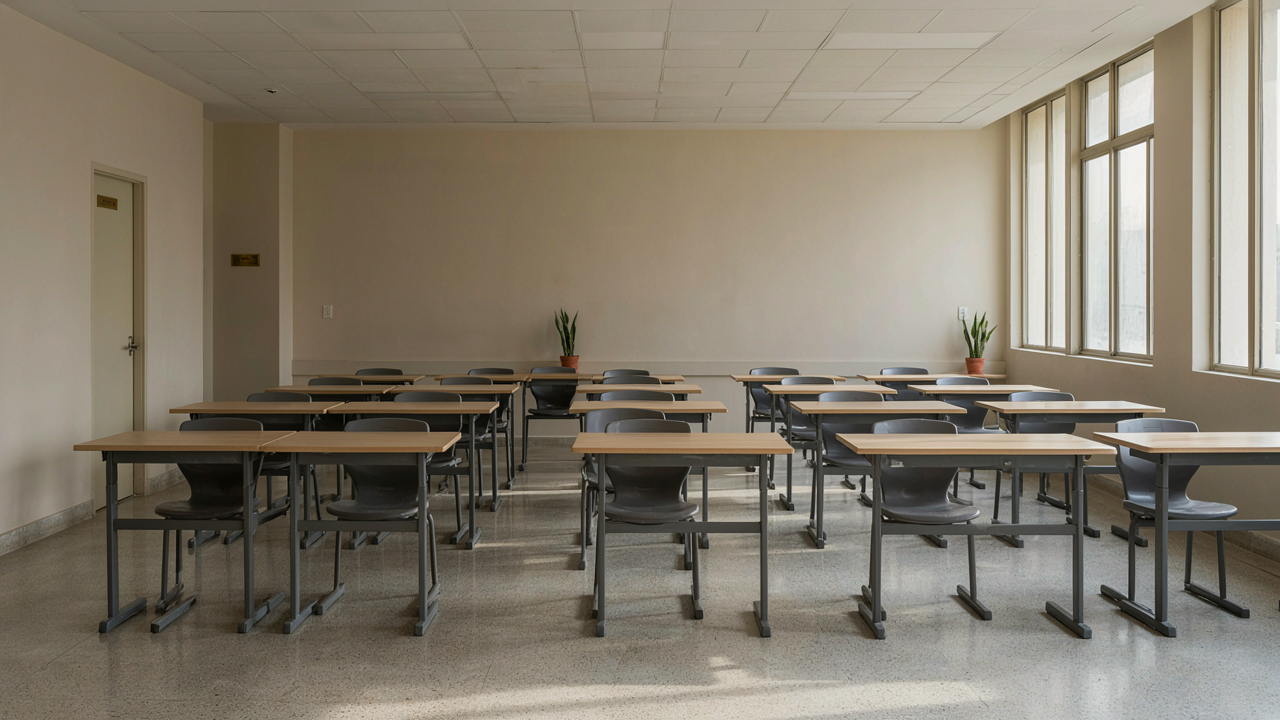
Choosing the right educational furniture in Malappuram is an important part of creating comfortable, organised and functional learning environments. Schools, preschools, colleges and other educational institutions need furniture that supports daily activities while making the best use of available space. From student desks and chairs to teacher tables, storage cabinets and library furniture, every item should be selected according to the needs of the institution and the students who use it.
Educational furniture is more than just a collection of tables and chairs. Well-planned furniture can help students maintain better posture, keep learning materials organised and move around classrooms more comfortably. For institutions planning a new facility or upgrading an existing one, understanding the different furniture options can make the purchasing process easier.
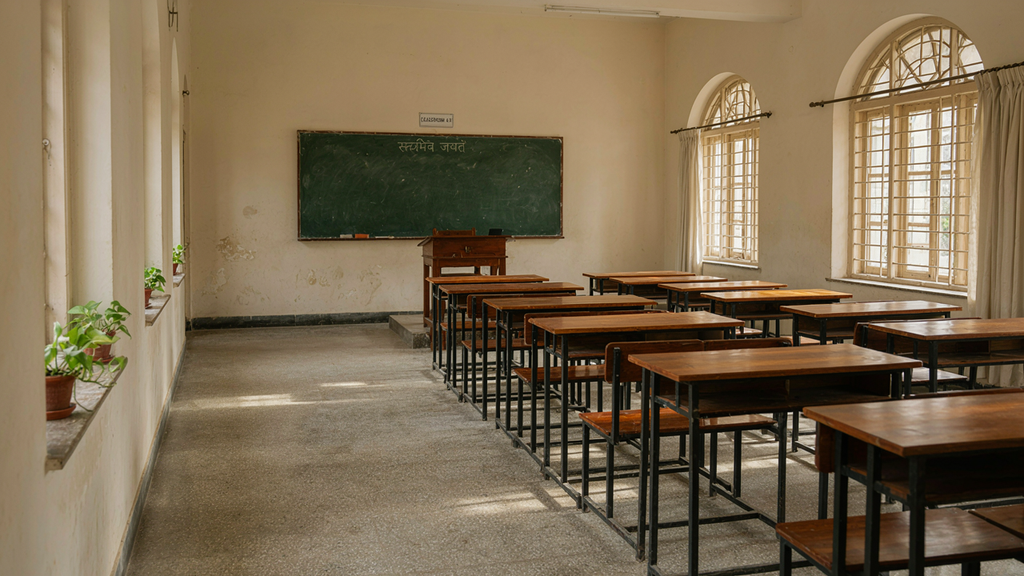
1. Understand the Needs of Your Educational Institution
Before purchasing furniture, consider the type of institution, the age group of students and the activities that take place in each room.
For example, preschool classrooms require smaller furniture that children can use comfortably and safely. Primary and secondary schools may need individual desks, shared tables, storage units and teacher workstations. Libraries, activity rooms and computer labs have different functional requirements.
Creating a furniture checklist for each space helps institutions prioritise essential items, estimate quantities and avoid unnecessary purchases.
2. Choose Comfortable School Desks and Chairs
Student desks and chairs are among the most frequently used items in an educational institution. Their dimensions should suit the age and physical needs of the students.
When comparing school desks and chairs, consider:
- Suitable dimensions: Furniture should match the students’ age group and provide a comfortable sitting position.
- Stability: Tables and chairs should remain stable during regular classroom use.
- Practical design: Desk surfaces should provide enough room for books, notebooks and other learning materials.
- Durability: Materials and construction should withstand everyday use.
- Easy maintenance: Surfaces should be straightforward to clean and maintain.
Selecting suitable furniture for different age groups can help create a more comfortable classroom environment.
3. Plan Classroom Furniture for Better Space Utilisation
Classroom layout affects how students and teachers use the available space. Furniture should support the teaching method while leaving sufficient room for movement.
Traditional classroom arrangements may require individual desks facing the teacher, whereas activity-based learning environments may benefit from tables that can be rearranged for group work.
When planning classroom furniture, consider:
- The number of students in each classroom.
- Available floor space and room dimensions.
- Clear walkways and access to doors.
- Space for teaching materials and classroom activities.
- The need to rearrange furniture when required.
A practical layout can make classrooms easier to manage without overcrowding the learning area.
4. Select Age-Appropriate Preschool Furniture
Preschools need furniture designed around the everyday needs of young children. Tables, chairs, shelves and activity furniture should be appropriately sized and easy for children to access under suitable supervision.
Important considerations include rounded or suitably finished edges, stable construction, easy-to-clean surfaces and age-appropriate dimensions. Storage shelves should also be arranged so that frequently used materials can be reached conveniently and safely.
When choosing preschool furniture, institutions should assess the quality of construction and suitability of each product for the intended age group.
5. Include Teacher Tables and Storage Solutions
Teachers need practical workspaces for preparing lessons, organising records and keeping classroom materials accessible. A suitable teacher’s table, storage cabinet or shelving unit can help maintain an organised classroom.
Educational institutions may also need storage solutions for books, stationery, activity materials, teaching aids and student resources.
Before selecting storage furniture, consider the amount and type of material to be stored, the available space and how frequently items need to be accessed. Well-planned storage helps reduce clutter and keeps essential resources organised.
6. Consider Furniture for Libraries and Activity Rooms
Learning spaces extend beyond standard classrooms. Libraries, reading corners, laboratories and activity rooms may require specialised furniture according to their purpose.
Libraries can benefit from suitable reading tables, chairs, bookshelves and storage units. Activity rooms may need flexible tables and seating that accommodate different tasks. Computer rooms require workstations with appropriate space for equipment, cables and accessories.
Planning furniture around the intended activity helps educational institutions create spaces that are functional rather than simply filling them with furniture.
7. Prioritise Durability and Easy Maintenance
Educational furniture is used regularly by multiple students, so durability should be a key consideration when comparing products.
Look at the materials, joints, edges, surface finish and overall construction. Ask suppliers about cleaning requirements, maintenance recommendations, product specifications and warranty terms where applicable.
The lowest initial price does not always represent the best long-term value. Furniture that remains functional over time may help reduce the need for frequent replacement, although actual durability depends on product quality, usage and maintenance.
8. Plan Your Furniture Budget Carefully
A furniture budget should account for more than the purchase price of individual items. Institutions may also need to consider transportation, installation, storage requirements and future expansion.
To manage the budget effectively:
- List the furniture required for each room.
- Estimate quantities based on student capacity and room dimensions.
- Compare product specifications across suppliers.
- Review durability, maintenance needs and applicable warranty terms.
- Prioritise essential furniture before adding optional items.
Requesting itemised quotations can make comparisons easier and help institutions understand what is included in the overall cost.
9. What to Look for When Choosing an Educational Furniture Supplier
When evaluating educational furniture suppliers, focus on product suitability, transparent information and the supplier’s ability to address your institution’s requirements.
Consider asking for:
- Product dimensions and material specifications.
- Available furniture styles and configurations.
- Pricing and minimum order requirements, where applicable.
- Delivery and installation details.
- Warranty and after-sales support information.
- Guidance on selecting quantities for your available space.
Reviewing these details before placing an order can help institutions make informed purchasing decisions.
10. Choosing Educational Furniture in Malappuram for Your Institution
Educational institutions planning new classrooms or upgrading existing facilities should evaluate furniture based on comfort, functionality, durability and available space. A well-prepared furniture plan can make purchasing more organised and help ensure that each learning area has the items it needs.
Tenfolds provides a range of furniture and play equipment solutions. Institutions looking for suitable options can explore the available offerings and identify products that match their requirements.
Explore the Tenfolds website to learn more about the company. For school furniture requirements, you can also visit the School Furniture in Kerala page.
Choosing the right educational furniture in Malappuram begins with understanding the needs of your students, teachers and learning spaces. By comparing product quality, dimensions, functionality and long-term value, educational institutions can make more informed decisions when planning their furniture requirements.