


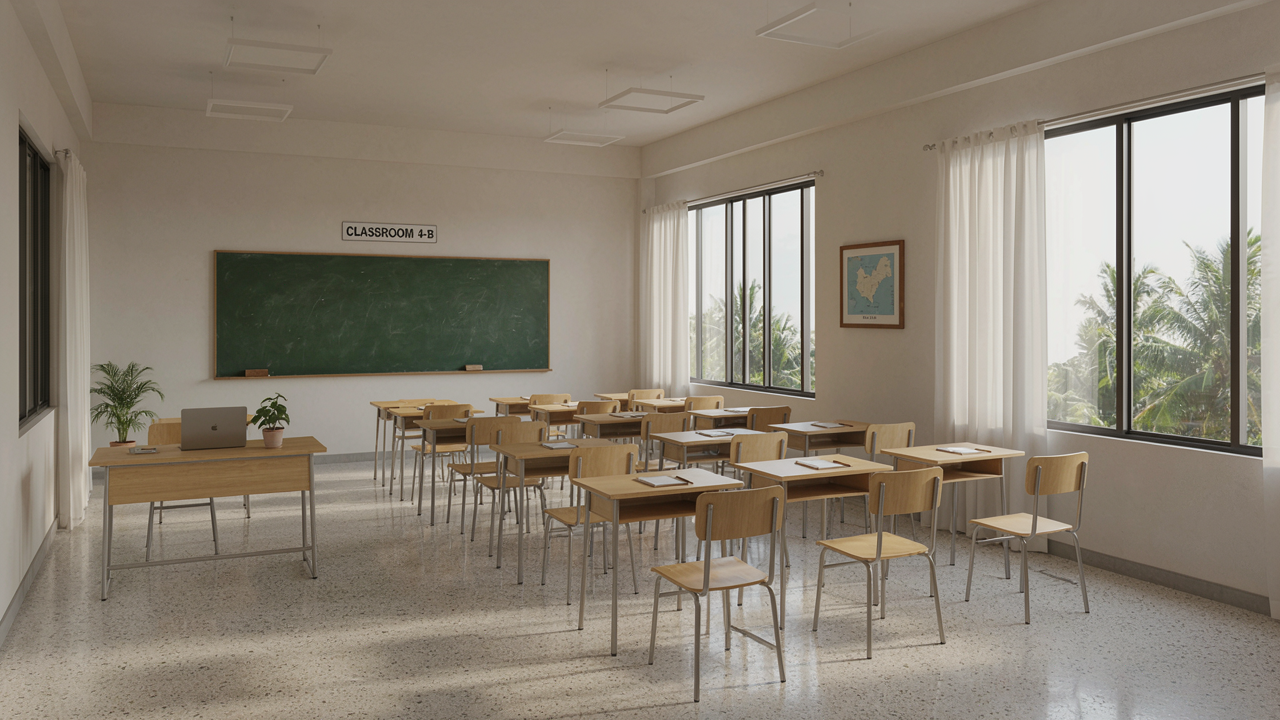
Creating an effective learning environment begins with choosing the right furniture. Schools and educational institutions need furniture that supports everyday classroom activities, makes efficient use of space and provides comfort for students and teachers. From classroom desks and chairs to furniture for activity areas, every element contributes to the overall learning experience.
For institutions exploring educational furniture in Kerala, understanding the available options and the factors that influence furniture selection can help them make informed decisions for their learning spaces.
Why Is Educational Furniture Important?
Educational furniture is more than a collection of desks and chairs. It helps organise classrooms, supports teaching activities and creates a practical environment for students to learn.
Well-planned furniture arrangements can help institutions make better use of classroom space while maintaining clear pathways for movement. Suitable furniture can also support different learning activities, including individual tasks, group discussions and creative projects.
When selecting furniture, institutions should consider the age group of students, the purpose of each space and the expected frequency of use.

Types of Educational Furniture for Modern Learning Environments
Different learning spaces have different furniture requirements. Understanding these needs can help schools choose products that suit their daily activities.
1. Classroom Desks and Chairs
Classroom desks and chairs are essential for everyday teaching and learning. Their dimensions should be appropriate for the students who use them, with sufficient space for writing, reading and classroom materials.
Schools should consider stability, material quality, ease of cleaning and the arrangement of furniture within the classroom.
2. Preschool Furniture
Preschool environments require furniture designed for younger children. Tables, chairs and activity furniture should be appropriately sized and suitable for supervised learning, play and creative activities.
Rounded or carefully finished edges, stable construction and easy-to-clean surfaces are useful considerations when assessing furniture for preschool settings.
3. Activity and Learning Area Furniture
Some educational institutions have dedicated areas for reading, group activities, arts and crafts or collaborative learning. Furniture for these spaces should suit the intended activity and allow the area to be rearranged when necessary.
Flexible layouts can help teachers use the same space for different classroom activities throughout the day.
4. Furniture for Specialised Learning Spaces
Libraries, computer rooms, laboratories and other specialised spaces may require furniture with specific dimensions, storage arrangements or functional features.
Before selecting products, institutions should identify the purpose of each room and check whether the proposed furniture meets its practical requirements.
How to Choose the Right Educational Furniture in Kerala
Selecting suitable furniture requires careful planning. The following factors can help schools and educational institutions make better purchasing decisions.
1. Understand the Needs of Students
Furniture should be appropriate for the age, size and activities of the students who will use it. The right dimensions can help students sit and work comfortably while supporting a well-organised classroom.
Institutions serving different age groups may need different furniture specifications for preschool, primary and secondary classrooms.
2. Prioritise Safety and Stability
Safety is an important consideration in any educational environment. Check that furniture is stable, properly finished and suitable for its intended use.
Institutions should assess construction quality, exposed edges, moving components and other features that may create risks during everyday use. Furniture for younger children requires particular attention to age-appropriate design and supervision.
3. Evaluate Material Quality and Durability
Educational furniture may experience frequent daily use. Materials and construction should therefore be suitable for the expected workload and maintenance routine.
Before purchasing, ask suppliers about the materials used, cleaning requirements, warranty conditions and recommended maintenance. Comparing these details can help institutions evaluate long-term value.
4. Plan the Available Space
Furniture should fit the room without restricting movement or making the environment feel overcrowded. Measure the available floor area and consider the number of students, teacher access, storage needs and walking paths.
A practical layout helps teachers manage classroom activities and makes it easier for students to move between different areas.
5. Consider Maintenance Requirements
Furniture that is straightforward to clean and maintain can be useful in busy educational environments. Institutions should understand the recommended cleaning methods and whether the materials are appropriate for their everyday requirements.
Regular inspection and suitable maintenance can also help identify wear and damage before they become larger problems.
6. Compare Cost and Overall Value
Budget is an important part of furniture planning, but the lowest purchase price may not always offer the best long-term value.
Compare specifications, construction quality, suitability, expected maintenance and warranty terms where available. Institutions should also confirm delivery arrangements, installation requirements and any additional costs before finalising an order.
How Educational Furniture Supports Modern Teaching Methods
Learning environments may include a combination of traditional teaching, group activities, independent work and practical demonstrations. Furniture arrangements can help accommodate these different approaches.
For example, a classroom arranged for individual learning may use rows of desks, while collaborative activities may benefit from furniture that can be repositioned when required.
Reading corners, activity areas and specialised learning rooms can also be planned around the needs of students and teachers. The goal is to select furniture that serves a clear purpose and makes the available space more functional.
Choosing a Suitable Educational Furniture Supplier
A reliable purchasing process begins with understanding the products available and confirming that they meet the institution’s requirements.
When evaluating suppliers, schools should consider:
- The range of educational furniture available
- Clear product dimensions and specifications
- Material and construction details
- Suitability for different age groups and learning spaces
- Delivery and installation arrangements, where applicable
- Warranty conditions and after-sales support
Institutions researching educational furniture in Kerala can visit Tenfolds LLP’s homepage to explore its available product categories and solutions for educational and child-focused environments.
For institutions specifically looking for classroom desks, chairs and related products, the School Furniture page provides a more focused starting point.
Educational Furniture Solutions from Tenfolds LLP
Tenfolds LLP offers products for educational and child-focused environments, including school furniture, indoor play equipment, outdoor play equipment, gym equipment, multi play stations and waste management products.
When planning a new educational space or improving an existing one, institutions should first identify their requirements, available space and budget. They can then compare relevant product categories and request further details about suitable options.
Exploring the available products and specifications can help schools determine which solutions best match their learning environment.
Conclusion
Choosing suitable educational furniture involves balancing comfort, safety, durability, functionality and budget. By assessing the needs of students, planning classroom layouts and comparing product specifications, educational institutions can make informed purchasing decisions.
For schools and institutions exploring educational furniture in Kerala, Tenfolds LLP provides a starting point for discovering furniture and related solutions for learning environments. Review the available categories and identify the options that best suit your institution’s requirements.