


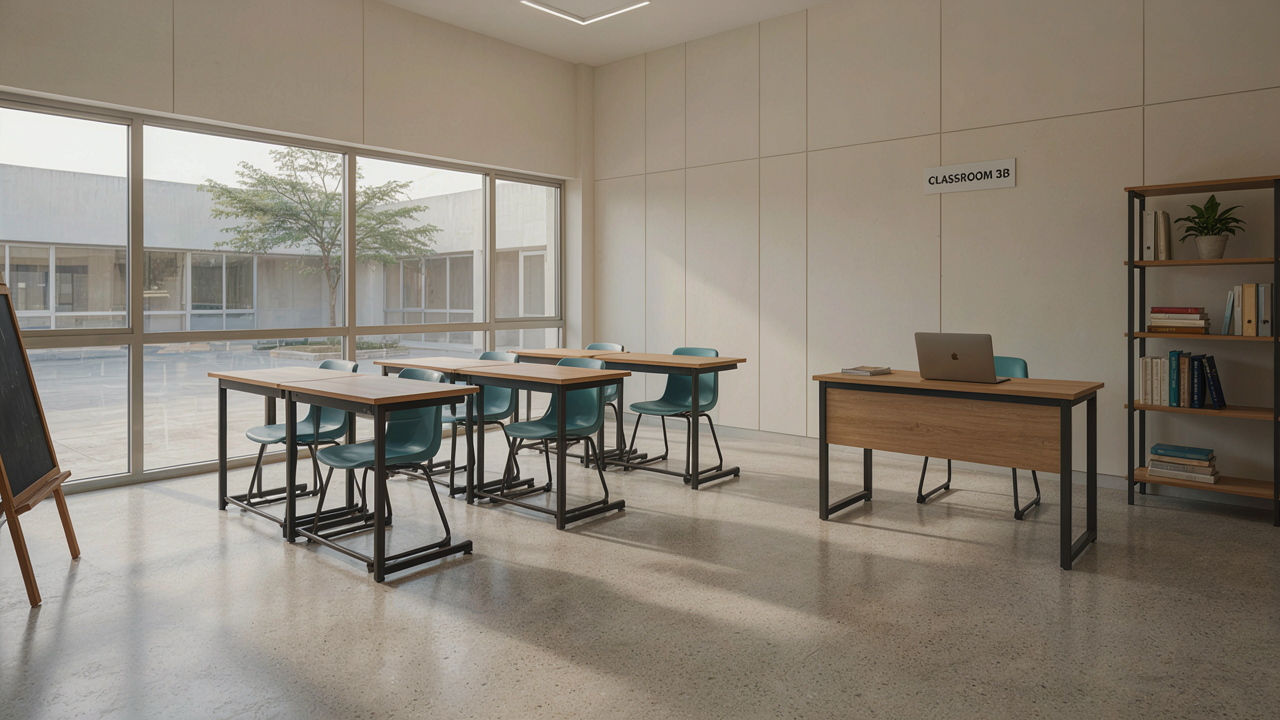
Choosing reliable school furniture suppliers in Malappuram is an important decision for schools planning new classrooms, expanding their facilities or replacing existing furniture. The right supplier should offer suitable products, clear specifications, dependable communication and pricing that fits the school’s budget. Beyond comparing prices, schools should evaluate furniture quality, delivery arrangements, maintenance requirements and the supplier’s ability to meet their specific needs. A structured selection process can help educational institutions make informed purchasing decisions and create functional learning environments.
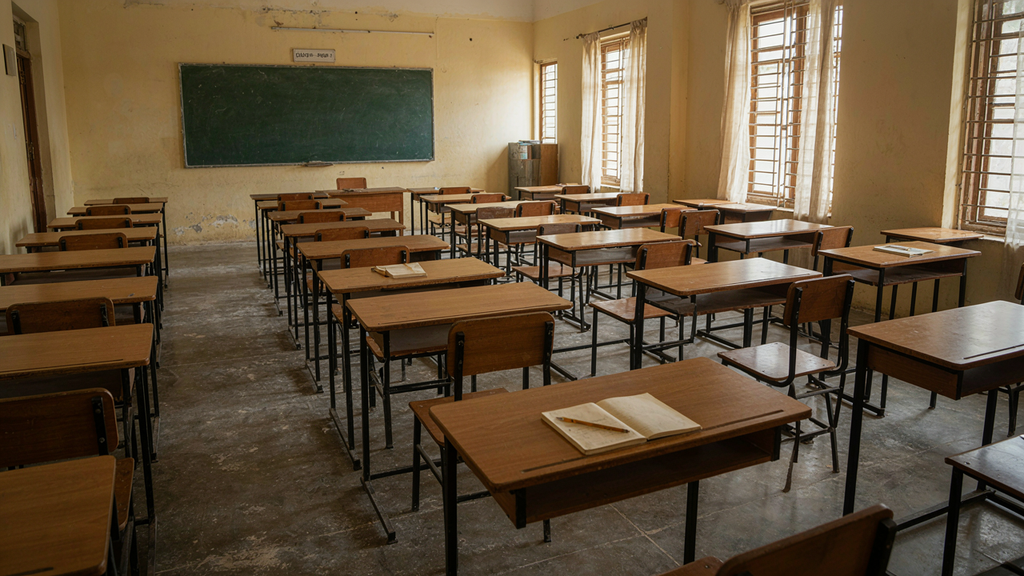
1. Understand Your School’s Furniture Requirements
Before contacting suppliers, prepare a clear list of the furniture your school needs. This helps you communicate your requirements accurately and compare quotations on a like-for-like basis.
Depending on the school’s facilities, the list may include student desks and chairs, teacher tables, classroom storage units, library furniture and furniture for activity rooms.
Consider these factors before requesting quotations:
- Number of classrooms to be furnished
- Number and age groups of students
- Required furniture dimensions
- Available classroom space
- Preferred materials and designs
- Budget and delivery timeline
A detailed requirement list reduces confusion during the purchasing process and helps suppliers recommend suitable options.
2. Check Furniture Quality and Construction
Furniture quality should be one of the main considerations when comparing suppliers. School desks, chairs and storage units are used regularly, so they need to be suitable for everyday classroom activities.
Ask suppliers about the materials used, construction methods and product specifications. Examine the stability of desks and chairs, the quality of joints, the finish of surfaces and the overall strength of the furniture.
Before placing a large order, consider checking a sample or viewing the product in person if possible.
Look for furniture that offers:
- Stable construction for its intended use
- Smooth, properly finished surfaces
- Suitable dimensions for students
- Durable materials and finishes
- Practical maintenance requirements
Evaluating these features helps schools compare products based on quality rather than price alone.
3. Compare Quotations Carefully
Price is an important factor when purchasing furniture for multiple classrooms. However, quotations should be compared using the same product specifications.
One supplier may quote for a different material, size or design than another. Comparing only the final amount could therefore lead to an inaccurate assessment of value.
When reviewing quotations, check:
- Product dimensions and specifications
- Material and finish details
- Quantity included
- Transportation and delivery charges
- Applicable taxes
- Assembly or installation costs, if any
- Warranty terms, where offered
Request clarification if a quotation does not clearly explain what is included. A transparent quotation makes budgeting easier and reduces the possibility of unexpected costs.
4. Evaluate the Supplier’s Product Range
Schools often require different types of furniture for different learning spaces. A supplier with suitable options across several categories may make the purchasing process more convenient.
Depending on the school’s requirements, relevant categories may include:
Student desks and chairs: Essential furniture for regular classroom teaching, writing and reading.
Teacher furniture: Desks, chairs and storage solutions for teaching materials and classroom records.
Library furniture: Tables, seating and shelving designed for reading and study areas.
Preschool furniture: Age-appropriate tables, chairs and storage for early learning environments.
Classroom storage: Cabinets, shelves and organisers for books, stationery and teaching resources.
Before selecting a supplier, confirm that the available products meet your school’s actual requirements. A broad product catalogue is useful only when the products are suitable for the intended environment.
5. Confirm Delivery Timelines and Logistics
Delivery planning is especially important when furniture is required for a new academic year, a classroom renovation or the opening of a new school facility.
Before confirming an order, discuss the expected delivery date, transportation arrangements and how the furniture will reach the school premises.
Schools should clarify:
- Whether all items will be delivered together
- Expected dispatch and delivery timelines
- Transportation charges
- Access requirements for unloading
- Assembly or installation arrangements, if applicable
- The process for reporting damaged or missing items
Allow sufficient time for delivery and inspection before the furniture is needed. Written confirmation of agreed arrangements can help both parties manage expectations.
6. Ask About Warranty and After-Sales Support
School furniture may require maintenance or repairs after installation. Before purchasing, ask the supplier whether warranty coverage or after-sales assistance is available.
The terms can vary between products, so request clear information about what is covered, how long coverage lasts and how to report a problem.
It is also useful to understand whether replacement parts or repair services are available when required.
Schools should keep copies of quotations, invoices, product specifications and warranty documents for future reference.
Clear communication about after-sales support can help schools plan maintenance and manage their furniture investment more effectively.
7. Consider Furniture Safety and Student Comfort
Furniture should be appropriate for the students who will use it. Incorrect dimensions or unstable construction can make desks and chairs uncomfortable or unsuitable for everyday classroom activities.
When assessing a supplier’s products, consider the age group, seating height, desk height, legroom and ease of movement around the furniture.
Check that surfaces are properly finished and that furniture does not have exposed sharp edges or loose components. Storage units should also be appropriate for their intended use and positioned safely.
Schools should choose furniture that supports practical classroom use while allowing teachers and students to move around comfortably.
8. Look for Clear Communication and Reliable Documentation
A good purchasing experience depends on more than the furniture itself. Schools also need clear communication throughout the quotation, ordering and delivery process.
Suppliers should be able to explain product specifications, pricing, availability and delivery arrangements without unnecessary ambiguity.
Before confirming an order, make sure that the final product list, quantities, prices and agreed terms are documented. Keep communication records and request an updated quotation if the requirements change.
These simple steps can help prevent misunderstandings and make it easier for school administrators to coordinate furniture purchases.
9. Choose a Supplier That Matches Your Long-Term Needs
Schools may need additional furniture as student enrolment grows, classrooms are expanded or existing products reach the end of their useful life.
When evaluating suppliers, consider whether they can provide suitable options for future requirements and maintain consistent product specifications when needed.
It is also worth considering the supplier’s ability to explain product choices and provide relevant documentation. Schools should assess these factors using available evidence rather than relying on broad claims or promises.
If you are comparing options for school furniture in Kerala, review the products and specifications available through the Tenfolds LLP school furniture page. This can help you explore furniture options relevant to educational environments.
10. A Practical Checklist Before Placing Your Order
Before finalising a purchase, use this checklist to review your shortlisted supplier.
- Have all classroom furniture requirements been identified?
- Are the product dimensions suitable for the intended students?
- Have the materials and construction been reviewed?
- Are the quotation and additional charges clearly explained?
- Is the delivery timeline confirmed?
- Are warranty terms documented, where applicable?
- Have payment and order conditions been clarified?
- Is there a clear process for reporting delivery issues?
Reviewing these points helps schools make decisions based on practical requirements, product suitability and transparent purchasing terms.
Conclusion
Choosing reliable school furniture suppliers in Malappuram involves more than finding the lowest quotation. Schools should compare product quality, specifications, pricing, delivery arrangements, safety features and after-sales support before making a decision. Preparing a clear requirement list and obtaining detailed quotations can help educational institutions purchase furniture that suits their classrooms and budgets. For schools exploring educational furniture options, the school furniture solutions offered by Tenfolds LLP provide a useful starting point. Visit the Tenfolds LLP website to learn more about the company and its offerings.