


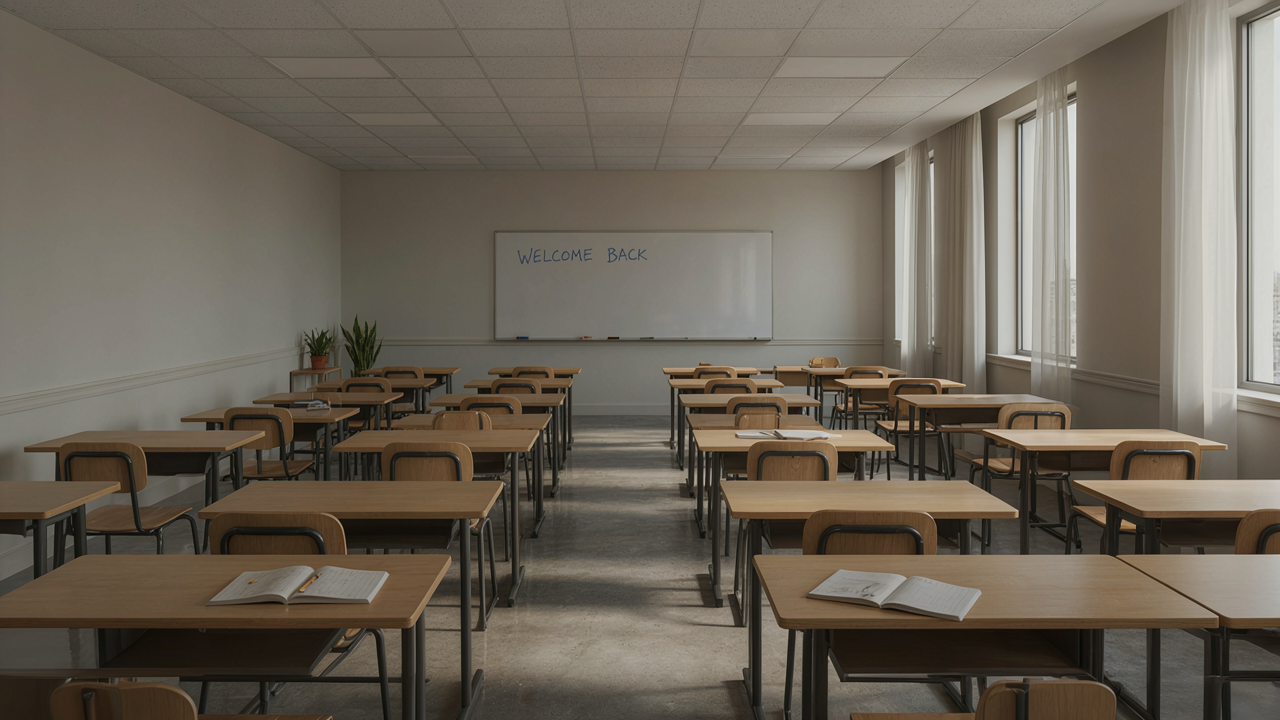
Choosing the right classroom furniture in Malappuram is essential for creating comfortable, organised and productive learning environments. Students spend a significant part of their day sitting, writing, reading and participating in classroom activities. The right combination of desks, chairs, storage units and teacher furniture can help schools use their available space efficiently while supporting everyday teaching and learning. Before investing in classroom furniture, schools should consider student comfort, durability, safety, classroom size and long-term value.
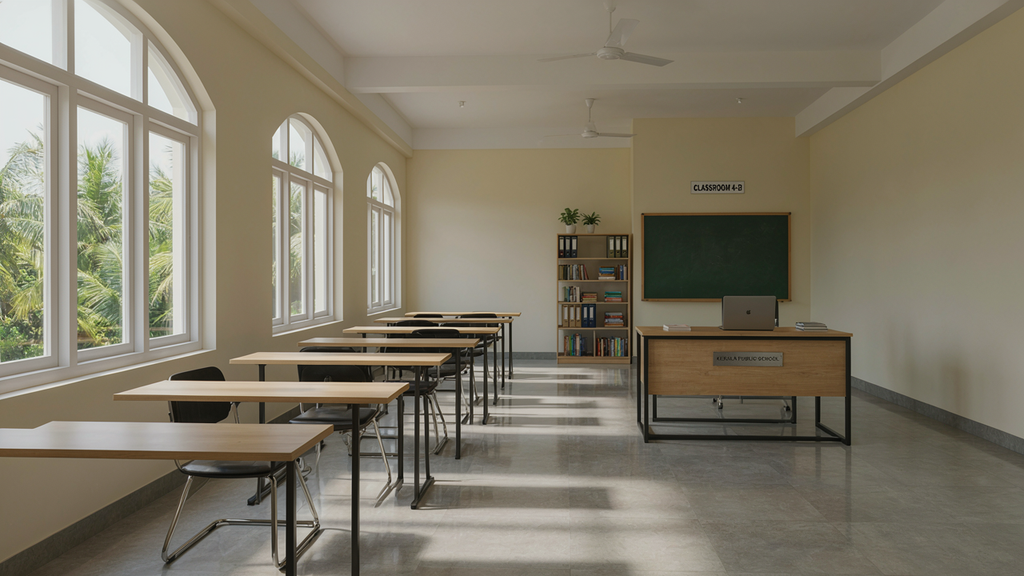
1. Why Is the Right Classroom Furniture Important?
Classroom furniture plays an important role in the daily learning experience. Furniture that suits students’ age groups and classroom activities can make it easier for students to participate in lessons and for teachers to manage the learning space.
A well-planned classroom can help schools:
- Provide comfortable seating for students.
- Organise learning materials and teaching resources.
- Maintain clear pathways between desks and activity areas.
- Use classroom space more effectively.
- Create a neat and welcoming educational environment.
Schools should consider furniture as part of their classroom planning rather than treating it as a last-minute purchase.
2. Select Desks and Chairs According to Students’ Needs
Desks and chairs are among the most frequently used pieces of classroom furniture. Their size, construction and arrangement should match the students who will use them.
Furniture for younger children may require different dimensions from furniture intended for secondary school students. Schools should check seat height, desk height, legroom and the space available for writing and other activities.
When choosing classroom desks and chairs, consider:
- Appropriate dimensions for the intended age group.
- Stable legs and sturdy construction.
- Smooth surfaces and properly finished edges.
- Sufficient space for books, notebooks and stationery.
- Easy cleaning and routine maintenance.
Where possible, review product dimensions before ordering furniture for multiple classrooms. This helps schools select suitable products and avoid unnecessary replacements.
3. Plan the Classroom Layout Before Purchasing Furniture
The best furniture choices depend partly on the classroom’s dimensions and teaching requirements. A layout that works in a large classroom may not be suitable for a smaller room.
Before purchasing, measure the available space and identify where desks, chairs, teacher furniture and storage units will be placed. Allow sufficient room for students to move between seating areas and for teachers to access every part of the classroom.
Different layouts may suit different teaching styles. Traditional rows can work well for individual lessons, while grouped tables may be useful for collaborative activities.
A practical classroom layout should prioritise:
- Clear walkways and accessible entrances.
- Comfortable spacing between desks.
- Good visibility of the teaching area.
- Convenient access to learning materials.
- Space for teachers to supervise students.
Careful planning helps schools make better use of their existing classroom space without overcrowding it.
4. Choose Durable Materials for Everyday Use
Classroom furniture must withstand regular use throughout the academic year. Students frequently move chairs, open storage units, place books on desks and use surfaces for writing and other activities.
Durability should therefore be a key consideration when comparing products.
Schools can evaluate furniture by checking the quality of its frame, joints, surfaces and overall construction. Materials should be suitable for the intended environment and easy to maintain.
When assessing different options, consider:
- Resistance to everyday wear and tear.
- Surface quality and ease of cleaning.
- Strength and stability.
- Suitability for regular classroom use.
- Availability of repair or replacement support.
In Malappuram and other parts of Kerala, schools may also want to consider humidity and ventilation when choosing materials. Appropriate finishes and regular maintenance can help protect furniture over time.
5. Include Storage Furniture to Keep Classrooms Organised
Storage furniture helps teachers organise books, stationery, teaching aids and classroom supplies. Without suitable storage, materials can accumulate on desks and reduce the amount of usable workspace.
Depending on the classroom’s requirements, schools may consider shelves, cabinets, cupboards and other storage units.
Before selecting storage furniture, think about what needs to be stored, how frequently it will be accessed and how much floor space is available.
Useful storage solutions should be:
- Appropriately sized for the classroom.
- Easy for teachers to access.
- Strong enough for their intended use.
- Designed to keep materials organised.
- Positioned without blocking walkways or exits.
A well-organised classroom can make daily routines easier and help teachers keep essential learning materials readily available.
6. Choose Suitable Furniture for Teachers
Teachers also need a functional workspace. A suitable teacher’s desk and chair can provide space for lesson materials, records, stationery and classroom preparation.
The furniture should fit the classroom layout without obstructing students’ movement or reducing visibility across the room.
Schools should consider the desk’s storage capacity, dimensions, construction and ease of maintenance. Additional storage may be useful where teachers need to keep teaching resources close at hand.
Selecting practical teacher furniture alongside student desks and chairs helps create a more complete and organised classroom.
7. Consider Flexible Furniture for Modern Classrooms
Classroom activities can change throughout the day. Students may work individually, participate in group projects or take part in practical learning exercises.
Furniture that can be rearranged safely may help schools adapt their classrooms to different activities. Depending on the requirements, options may include movable tables, stackable chairs or modular furniture.
However, flexibility should not compromise stability, durability or student safety. Schools should check that furniture is appropriate for its intended use and can be moved or stored without creating unnecessary hazards.
Before purchasing flexible classroom furniture, assess whether it genuinely meets the school’s teaching requirements and available space.
8. Balance Furniture Quality With Your School’s Budget
Furnishing classrooms can represent a significant investment, especially when several rooms need to be equipped at the same time.
Rather than choosing products based only on the lowest price, schools should compare construction quality, dimensions, materials, maintenance requirements and expected service life.
A practical purchasing process includes:
- Listing the furniture required for each classroom.
- Measuring the available space.
- Setting a realistic budget.
- Comparing specifications from different suppliers.
- Checking delivery details and warranty information, where available.
- Prioritising essential furniture before optional additions.
This approach helps schools make informed decisions and allocate their budgets according to their actual needs.
9. What Should Schools Look for in a Classroom Furniture Supplier?
Choosing the right supplier is an important part of the furniture purchasing process. Schools should look for clear product information and practical guidance on selecting furniture that suits their classrooms.
Before placing an order, ask about product dimensions, materials, construction quality, pricing and delivery arrangements. If furniture is required for multiple classrooms, confirm that the proposed products meet the same specifications wherever consistency is important.
Schools comparing school furniture in Kerala can also review the range of products available from Tenfolds LLP. Exploring the broader school furniture range can help decision-makers assess options for student seating, classroom desks and other educational spaces.
10. Create a Better Learning Environment With the Right Furniture
A comfortable classroom depends on more than desks and chairs alone. The furniture layout, storage arrangements, student movement and teaching requirements all contribute to how effectively a space functions.
Schools should review their classrooms regularly to identify furniture that is damaged, unsuitable or no longer meets their needs. Replacing items according to priority can help maintain a practical learning environment without requiring every piece of furniture to be changed at once.
A planned approach to classroom furniture selection helps schools balance student comfort, classroom organisation, durability and cost.
Conclusion
Choosing suitable classroom furniture in Malappuram requires careful planning around student needs, classroom dimensions, safety, durability and budget. By selecting appropriately sized desks and chairs, adding practical storage and arranging furniture efficiently, schools can create learning spaces that support everyday teaching activities. Comparing specifications and understanding long-term maintenance requirements can also help schools make more informed purchasing decisions. Schools planning to furnish new classrooms or upgrade existing spaces can explore school furniture in Kerala and visit Tenfolds LLP to learn more about educational furniture solutions.