


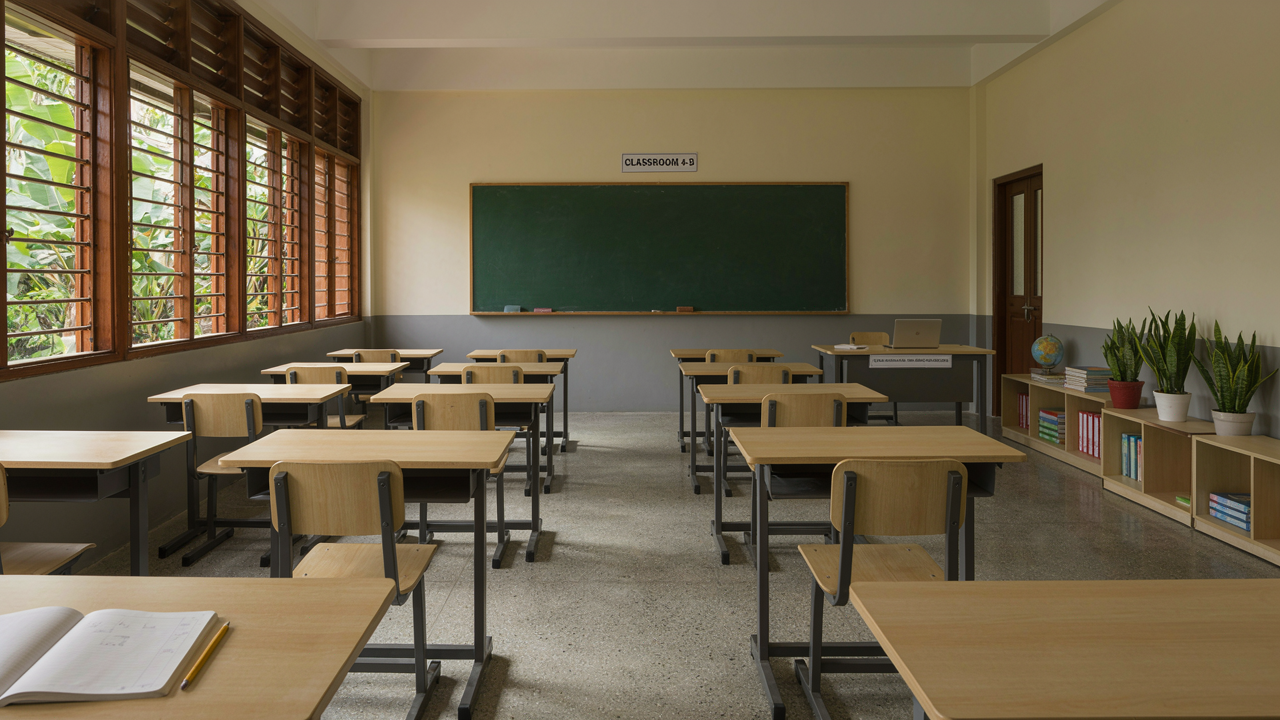
Choosing the right school furniture in Malappuram is an important step in creating comfortable, organised and student-friendly learning environments. From classroom desks and chairs to activity tables and storage units, every piece of furniture should support students’ daily learning needs. Schools should consider durability, safety, classroom space and ease of maintenance before making a purchase. Selecting suitable furniture can help schools create functional classrooms that support both teaching and learning.
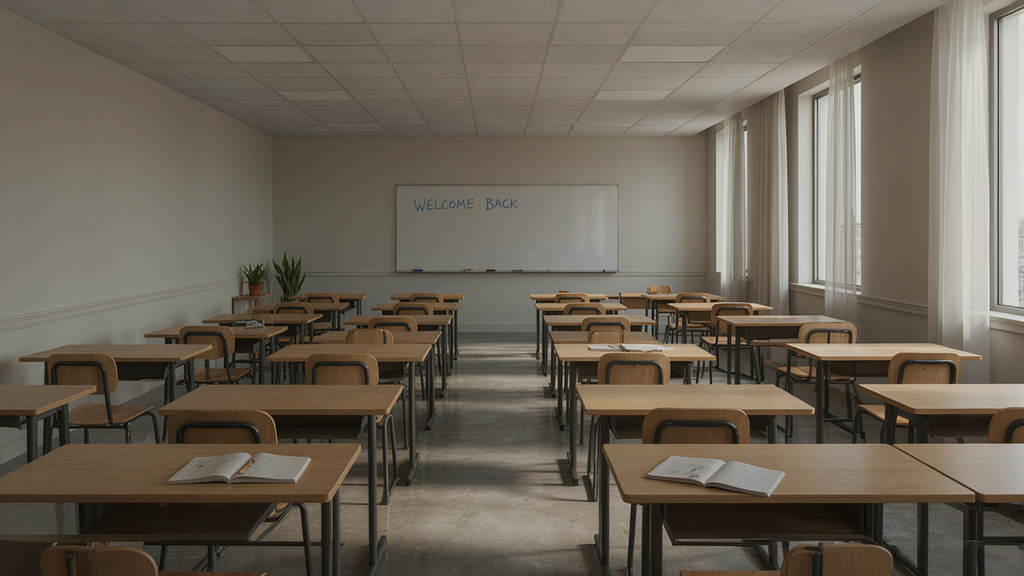
1. Understand Your School’s Furniture Requirements
Before purchasing furniture, identify the needs of your school. Different classrooms require different furniture depending on students’ age groups, classroom size and teaching activities.
For example, primary classrooms may need appropriately sized desks and chairs, while higher-grade classrooms may require larger desks, individual seating or collaborative table arrangements.
Consider the following before making a decision:
- Number of students in each classroom
- Age and height of students
- Available classroom space
- Storage requirements
- Daily classroom activities
- Budget and long-term maintenance
Creating a furniture requirement list helps schools compare products more effectively and avoid unnecessary purchases.
2. Choose Durable Furniture for Daily Classroom Use
School furniture is used throughout the academic day, so durability should be a priority. Desks, chairs and tables must withstand regular use, movement and routine cleaning.
When comparing furniture options, examine the strength of the frame, the quality of the joints and the durability of the surfaces. Materials should be suitable for the intended classroom environment and easy to maintain.
Schools should also consider whether furniture can be repaired when necessary. Choosing well-constructed products can reduce the need for frequent replacements and support better long-term value.
3. Prioritise Student Comfort and Safety
Comfortable furniture helps students sit and work more conveniently during classroom activities. Furniture that is unsuitable for students’ height or posture may cause discomfort during prolonged use.
When selecting school desks and chairs, look for:
- Suitable desk and seat heights for the intended age group
- Stable construction and balanced legs
- Smooth surfaces and finished edges
- Adequate space for students to sit and move
- Materials appropriate for regular school use
Furniture should also be arranged to maintain clear walkways and allow teachers to supervise students effectively.
4. Make the Most of Classroom Space
Every school has different classroom dimensions. A suitable furniture layout can help schools use available space more efficiently without making classrooms feel crowded.
Measure classrooms before placing an order, especially when purchasing furniture for multiple rooms. Consider the space required for desks, chairs, teacher movement, storage and access to doors.
Depending on the classroom’s purpose, schools may choose individual desks, shared tables or flexible seating arrangements. The final layout should support the teaching style while allowing students to move around safely.
For more ideas about selecting furniture for different learning environments, read our previous guide on school furniture in Kerala. It provides broader guidance that schools can use alongside their local purchasing considerations.
5. Consider Different Types of School Furniture
A well-equipped school may require several types of furniture beyond standard desks and chairs. Selecting products based on their intended use helps create a more complete learning environment.
Common options include:
Student desks and chairs: Essential for everyday classroom learning, writing and reading activities.
Classroom tables: Useful for group projects, collaborative learning and practical activities.
Teacher tables and chairs: Help organise teaching materials and provide a functional workspace.
Storage units: Keep books, teaching resources and classroom supplies organised.
Activity furniture: Supports art, craft, early learning and other specialised classroom activities.
Schools should prioritise products according to their requirements rather than purchasing every type of furniture at once.
6. Compare Quality, Price and Long-Term Value
Price is an important factor when purchasing furniture for a school, particularly when several classrooms need to be furnished. However, the lowest initial price does not always represent the best overall value.
Compare products based on construction quality, materials, maintenance needs, expected service life and suitability for students.
Schools should also ask suppliers for clear product specifications, available sizes, delivery details and warranty information where applicable.
Obtaining quotations for comparable products makes it easier to evaluate different options and make a purchase that fits the school’s budget.
7. What Should Schools Look for in a Furniture Supplier?
Choosing a suitable supplier is an important part of the purchasing process. Schools should look for suppliers who can explain product specifications clearly and help them identify furniture that matches their requirements.
Before finalising an order, consider whether the supplier can provide:
- Clear product information and dimensions
- Suitable options for different age groups
- Details about materials and construction
- Transparent pricing and delivery information
- Guidance on product selection
- Information about warranty and after-sales support, where available
Schools in Malappuram can compare suppliers based on these practical factors instead of relying on price alone.
8. Plan Your Furniture Purchase in Advance
Planning helps schools manage their furniture requirements more efficiently. Begin by checking existing furniture, identifying damaged or unsuitable items and estimating the number of new pieces required.
Next, measure the classroom spaces, set a budget and shortlist suitable products. If the purchase involves multiple classrooms, organise the requirements by room and student age group.
Advance planning also gives schools more time to compare specifications, confirm delivery arrangements and coordinate furniture installation or placement before the academic term begins.
Conclusion
Choosing the right school furniture in Malappuram requires careful consideration of student comfort, durability, safety, classroom space and budget. By identifying their requirements and comparing product quality before purchasing, schools can create organised learning environments that support everyday educational activities.
Schools planning a new classroom or upgrading existing facilities can also explore school furniture in Kerala to review broader furniture solutions. Tenfolds LLP provides educational furniture and learning-space solutions for schools and institutions. Visit the Tenfolds LLP website to explore its offerings and enquire about suitable options for your school’s requirements.