


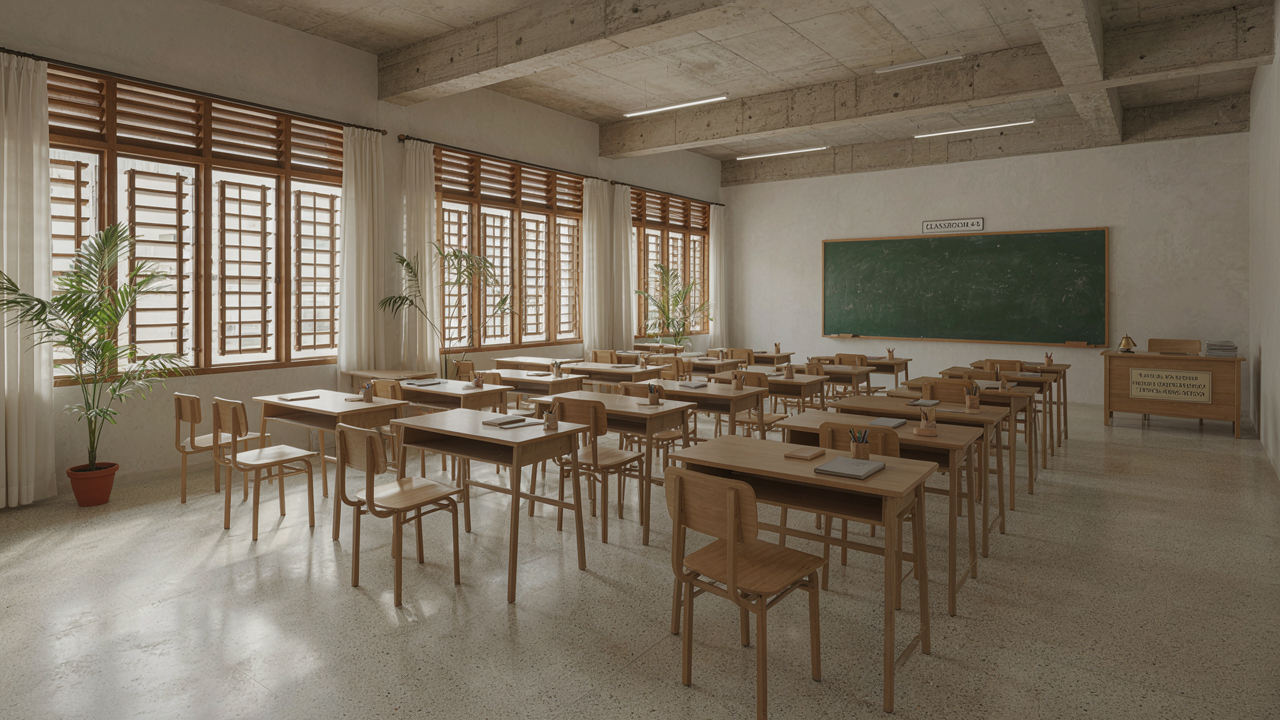
Choosing the right school desks and chairs is an important part of creating a comfortable and functional classroom. Students use classroom furniture every day for reading, writing, group activities and other learning tasks. Furniture should therefore be suitable for their age, classroom requirements and everyday use.
Schools planning to purchase new furniture should consider more than price and appearance. Comfort, durability, safety, maintenance and classroom layout all play a role in selecting suitable desks and chairs.
Why Are the Right School Desks and Chairs Important?
Classroom furniture influences how students use their learning space. Properly selected desks and chairs help organise the classroom, provide space for learning materials and support everyday teaching activities.

Furniture that suits the students and classroom can also make it easier to maintain clear walkways and organise seating arrangements. Schools should assess their needs before choosing furniture for new classrooms or replacing existing products.
1. Choose Furniture Suitable for Students’ Age Groups
Students of different ages have different furniture requirements. Desks and chairs should be appropriately sized for the students who will use them.
Preschool children, primary school students and older students may require different seating heights, desk dimensions and workspace arrangements.
Before purchasing, schools should consider the age group, student numbers and intended classroom activities. Where possible, check the actual dimensions of the furniture rather than relying only on product photographs.
2. Prioritise Comfort and Practical Design
Students spend considerable time seated during lessons and classroom activities. Furniture should provide a practical seating and working arrangement suited to their age and needs.
Consider the height of the chair, the desk surface, available legroom and the space needed for books and writing materials. The desk and chair should work well together rather than being assessed separately.
A suitable arrangement can help students use their workspace comfortably throughout the school day.
3. Check Material Quality and Durability
School desks and chairs are used frequently and may need to withstand regular movement, cleaning and everyday classroom activities.
When evaluating furniture, consider:
- The strength and stability of the frame
- The quality of the tabletop and seating surface
- The finish and construction
- Resistance to everyday wear
- Ease of cleaning and maintenance
- Available warranty and repair support
Schools should ask suppliers for product specifications and maintenance guidance before making a final decision.
4. Make Safety a Priority
Furniture should be stable, properly finished and suitable for its intended use. Check for sharp edges, loose components, unstable legs and other potential hazards.
For younger students, age-appropriate dimensions and careful product selection are especially important. Schools should also inspect furniture periodically and address damage that could affect safe use.
5. Plan the Classroom Layout
Even good-quality furniture may not work well if it does not fit the available classroom space.
Before ordering, measure the room and estimate how many desks and chairs are required. Allow space for students to move around, teachers to reach different areas and classroom doors or storage spaces to remain accessible.
The arrangement should support the way lessons are conducted. For example, rows may suit some teaching environments, while flexible layouts may be more useful for group activities.
6. Consider Maintenance and Cleaning
School furniture needs regular cleaning and inspection. Materials and finishes should suit the school’s cleaning routine and expected level of use.
Ask about suitable cleaning products, maintenance requirements and the availability of replacement components where relevant. Clear maintenance guidance can help institutions manage their furniture more effectively.
7. Compare Price with Long-Term Value
Budget is an important consideration when purchasing furniture for multiple classrooms. However, the cheapest option may not always provide the best overall value.
Compare products based on their dimensions, materials, construction, suitability, maintenance requirements and warranty conditions. Schools should also confirm delivery costs, installation requirements and expected timelines before placing an order.
Evaluating these factors together helps schools make more informed purchasing decisions.
8. Choose a Supplier That Understands School Requirements
A suitable supplier should provide clear product details and help institutions understand which options meet their requirements.
Before purchasing school desks and chairs, check the available range, product specifications, delivery arrangements and after-sales support. Where possible, request measurements or additional product information to confirm that the furniture will fit the intended classroom.
Schools exploring school furniture in Kerala can visit our to explore the relevant product information.
Institutions looking for broader solutions for educational environments can also visit the Tenfolds LLP homepage to explore its available product categories.
School Furniture for Better Learning Environments
Desks and chairs are central to most classrooms, but they are only one part of an effective learning space. Schools may also need furniture and equipment for preschool areas, activity rooms, reading spaces and other educational settings.
Planning each area according to its purpose helps institutions use their available space more effectively. By assessing student needs, classroom dimensions and maintenance requirements, schools can make practical decisions when selecting furniture.
Conclusion
Choosing school desks and chairs requires careful consideration of student age, comfort, safety, durability, classroom layout and budget. Comparing product specifications and understanding maintenance requirements can help schools select furniture that suits their everyday needs.
For institutions planning to upgrade classrooms or furnish a new educational space, Tenfolds LLP provides a starting point for exploring school furniture and related solutions. Review the available product information and select options that match your institution’s requirements.
Schools looking for reliable school furniture in Kerala should consider student comfort, product durability, safety and classroom requirements before making a purchase. Tenfolds LLP offers furniture and related solutions for educational environments.