


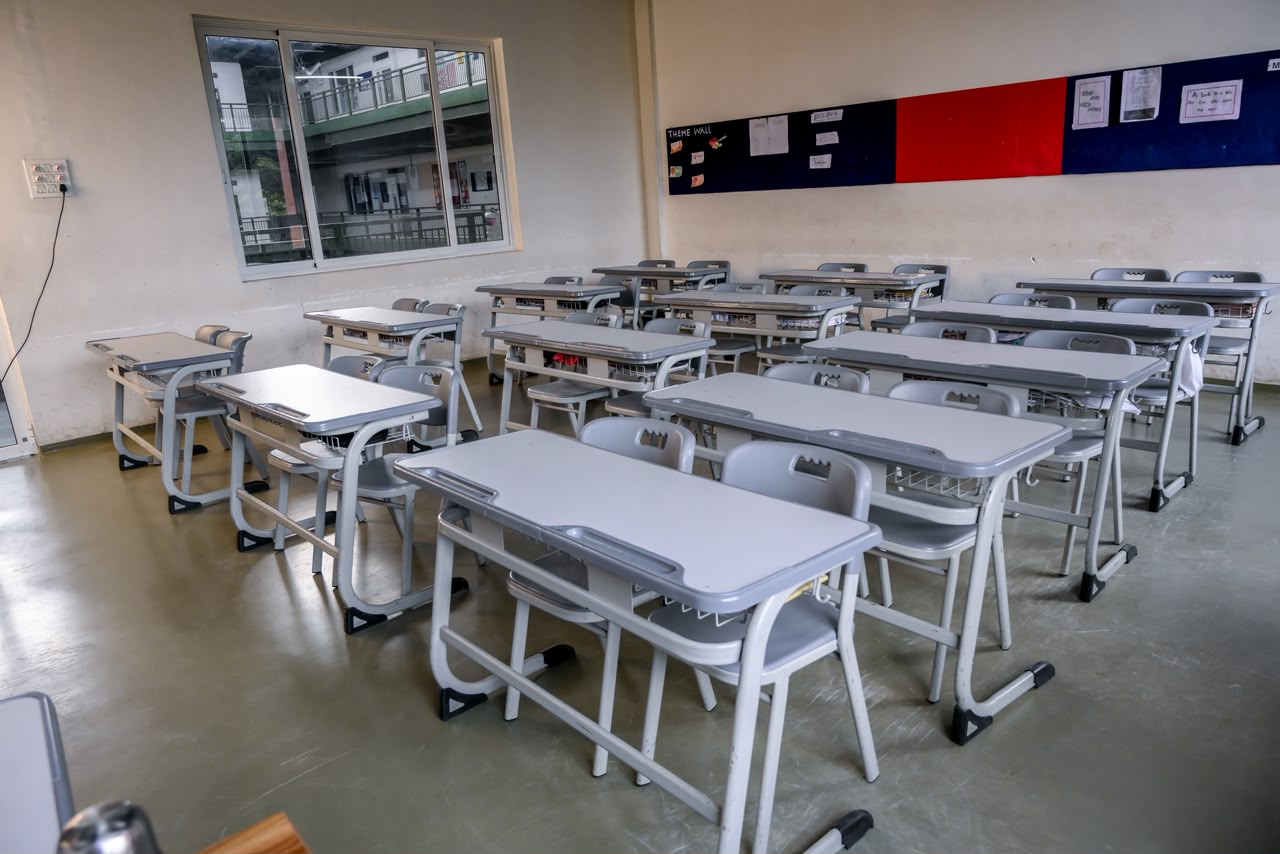
A modern school is more than classrooms, desks and teaching boards. Every element of the learning environment can influence how comfortably students learn and how effectively teachers use the available space. Among these elements, furniture plays an important practical role.
From student desks and chairs to storage units, activity tables and other classroom solutions, schools need furniture that can withstand regular use while providing comfort, safety and functionality. Choosing the right educational furniture in Kerala can therefore be an important part of creating a well-planned learning environment.
Schools that are setting up new classrooms or upgrading existing facilities should look beyond appearance and initial cost. Durability, age-appropriate design, maintenance, flexibility and long-term value should all be considered before making a furniture decision.
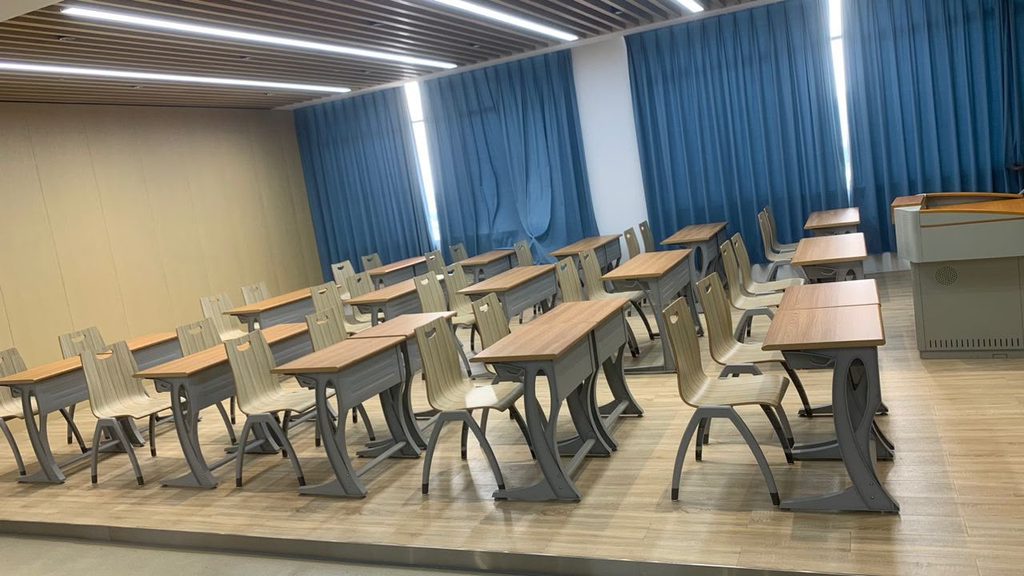
1. Furniture Supports a Better Learning Environment
The physical classroom environment can influence how students experience their school day.
A well-organised classroom with suitable desks, chairs and storage solutions gives students enough space to sit, move and participate in different activities comfortably.
Quality furniture can help create:
- Organised classrooms
- Comfortable seating arrangements
- Better use of available space
- Flexible learning areas
- A more welcoming classroom environment
Furniture alone does not determine how well students learn, but it is an important part of creating a classroom that supports effective teaching and learning.
2. Comfort Matters During Long School Hours
Students spend a significant amount of time sitting at desks and chairs during the school day.
Furniture that is not suitable for a student’s age or size may become uncomfortable over time. Schools should therefore consider the dimensions and design of furniture before purchasing it.
Important factors include:
- Seat height
- Desk height
- Back support
- Legroom
- Desk surface area
- Overall stability
Age-appropriate furniture can provide students with a more comfortable place to study, write and participate in classroom activities.
For example, furniture requirements for a preschool classroom can be very different from those of a secondary school. Choosing furniture according to student age and classroom requirements can make the learning space more practical.
3. Quality Furniture Offers Better Durability
School furniture experiences continuous daily use.
Desks and chairs are moved, cleaned and used repeatedly by different groups of students. This makes durability one of the most important factors when selecting furniture for educational institutions.
Schools should look for:
- Strong construction
- Durable surfaces
- Stable frames
- Reliable joints
- Suitable materials
- Easy maintenance
Investing in durable furniture can reduce the need for frequent replacements and help schools get better long-term value from their investment.
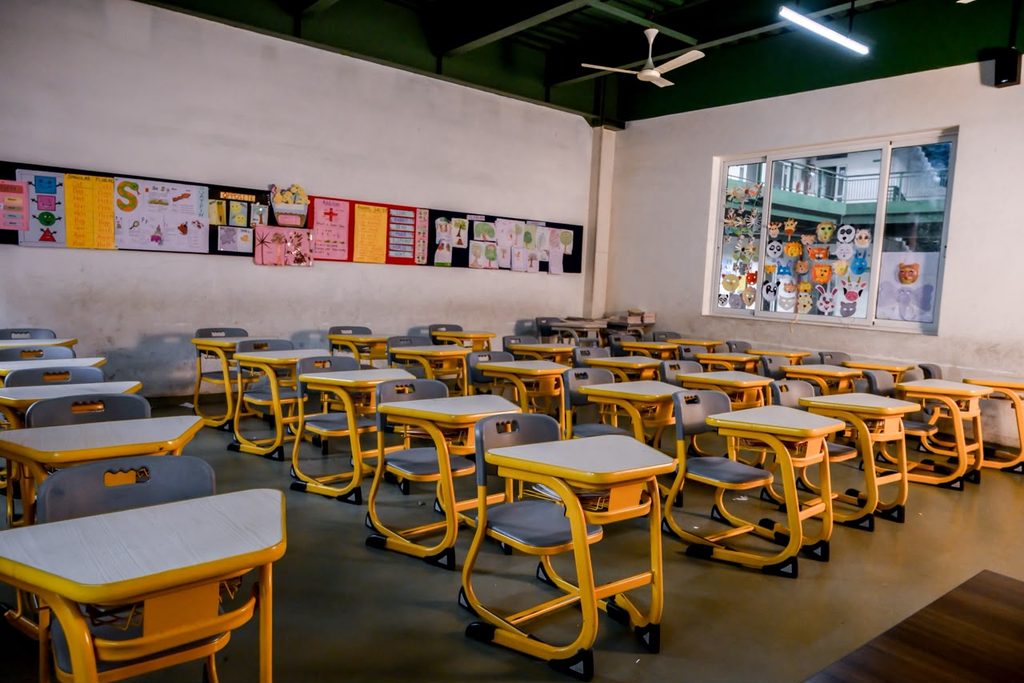
4. Safety Is an Essential Consideration
Educational environments need to be safe for both students and staff.
Furniture should be designed and selected with everyday school use in mind. Schools should pay attention to stability, construction quality and appropriate dimensions.
Important considerations include:
- Stable construction
- Smooth surfaces
- Safe edges
- Secure joints
- Suitable dimensions
- Furniture stability
For younger children, these considerations become even more important.
A well-designed classroom should allow children to move around freely without furniture creating unnecessary safety concerns.
5. Making the Most of Classroom Space
Every school has classrooms with different dimensions and layouts.
The right furniture can help schools make better use of the space available. Depending on the classroom and teaching style, schools may choose individual desks, group tables, activity tables, storage units or other furniture solutions.
Before purchasing, schools should consider:
- Classroom dimensions
- Number of students
- Walking space
- Seating arrangement
- Teacher’s area
- Storage requirements
Good planning can prevent classrooms from becoming overcrowded while ensuring that students have sufficient space for learning activities.
6. Modern Schools Need Flexible Furniture
Today’s classrooms may involve many different types of learning activities.
Students may work individually during one lesson and collaborate in groups during another. This makes flexibility an increasingly useful feature in modern classroom design.
Furniture can be arranged for:
- Group discussions
- Project work
- Team activities
- Individual learning
- Creative activities
- Reading sessions
Flexible furniture allows teachers to adapt the classroom according to the activity rather than being restricted to one fixed arrangement.
7. Quality Educational Furniture Can Improve Organisation
Classroom organisation is another important consideration.
Books, teaching materials, activity resources and other educational items need suitable storage. Cabinets, shelves and storage units can help keep these resources organised and accessible.
A well-planned storage system can:
- Reduce classroom clutter
- Keep materials organised
- Improve accessibility
- Create cleaner learning spaces
- Make classroom management easier
This is especially useful in classrooms where teachers regularly use books, activity materials and teaching aids.
8. Choosing the Right Educational Furniture in Kerala
Schools have different requirements depending on their student age groups, classroom sizes, teaching methods and available facilities. Therefore, selecting educational furniture in Kerala should begin with understanding the specific needs of the institution.
Schools should consider the type of furniture required, the number of students, the available classroom space, durability, maintenance and future requirements. A suitable furniture solution should not simply fill the classroom; it should support how the space will actually be used.
When comparing educational furniture options, schools should also consider product quality, construction, usability and long-term value rather than making a decision based only on price.
9. How School Furniture Contributes to a Better Learning Space
A complete classroom setup requires more than individual desks and chairs. Schools need furniture that works together to create a comfortable, organised and functional environment.
When planning school furniture in Kerala, institutions should consider student comfort, safety, classroom layout, storage and durability as part of one overall solution.
A well-planned furniture setup can make classrooms easier to manage while giving students a practical environment for individual and collaborative learning.
10. Consider the Long-Term Value
School furniture is generally a long-term investment.
A product that appears inexpensive initially may require frequent repairs or replacement. On the other hand, durable furniture can remain useful for many years with proper care and maintenance.
Schools should therefore consider:
- Product durability
- Maintenance requirements
- Expected lifespan
- Replacement requirements
- Availability of support
- Future expansion
Looking at the total value rather than only the initial price can help schools make more practical purchasing decisions.
11. Choose a Reliable Furniture Supplier
The supplier you choose is another important part of the purchasing process.
A reliable educational furniture supplier should be able to understand the school’s requirements and recommend appropriate solutions.
When comparing suppliers, schools can consider:
- Product quality
- Range of furniture
- Material quality
- Customisation options
- Bulk-order capacity
- Delivery support
- Installation
- After-sales service
- Previous institutional projects
Working with an experienced supplier can make it easier to plan furniture according to different classrooms and educational spaces.
12. Choosing Furniture According to Different Educational Spaces
Different areas of a school may require different types of furniture.
A preschool classroom may need child-sized tables and chairs, while a secondary classroom may require larger student desks and chairs. Libraries, activity rooms, staff areas and other spaces can also have their own furniture requirements.
Therefore, schools should plan furniture according to the purpose of each space rather than selecting one standard solution for the entire institution.
This approach can help create a more functional and consistent environment across the school.
Quality Furniture Is a Long-Term Investment
Schools do not purchase furniture for just a few months. A well-planned furniture investment can serve students and teachers across multiple academic years.
Choosing products based on comfort, durability, safety, usability and maintenance can help schools create learning environments that remain functional as their requirements change.
Quality furniture can also contribute to a professional and organised appearance throughout the institution.
Final Thoughts
Quality educational furniture in Kerala plays an important role in creating comfortable, safe and functional learning environments.
From desks and chairs to storage solutions and flexible classroom furniture, each element should be selected according to the school’s specific requirements.
Schools should consider more than appearance and price when making their purchasing decisions. Durability, comfort, safety, maintenance and long-term value are all important factors.
With thoughtful planning and the right furniture partner, schools can create learning spaces that support students and teachers for years to come.