


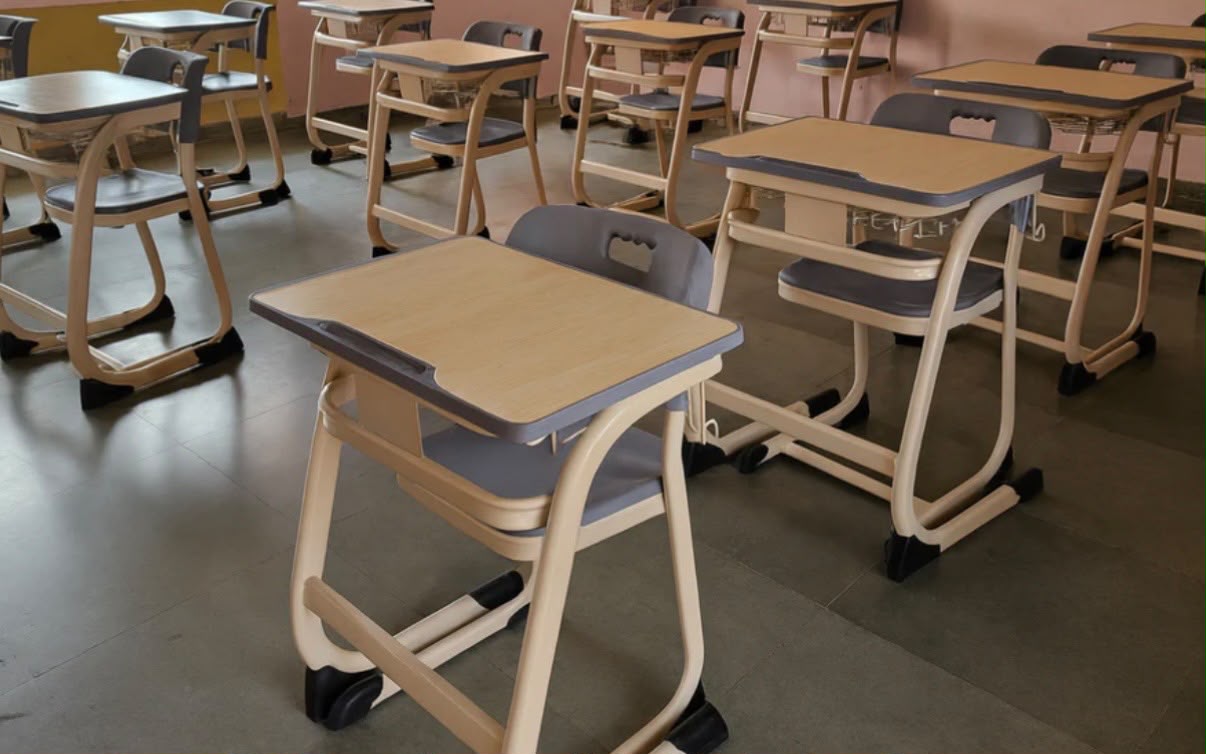
A classroom is more than just a space where students sit and listen to lessons. The furniture inside the classroom can influence comfort, movement, classroom organisation and the overall learning environment.
Choosing the right classroom furniture in Kerala therefore requires more than simply selecting desks and chairs based on appearance. Schools need furniture that is comfortable for students, suitable for their age group, durable enough for everyday use and practical for the available classroom space.
Whether you are setting up a new school, renovating existing classrooms or replacing old furniture, having a clear understanding of what to look for can help you make a better long-term decision.
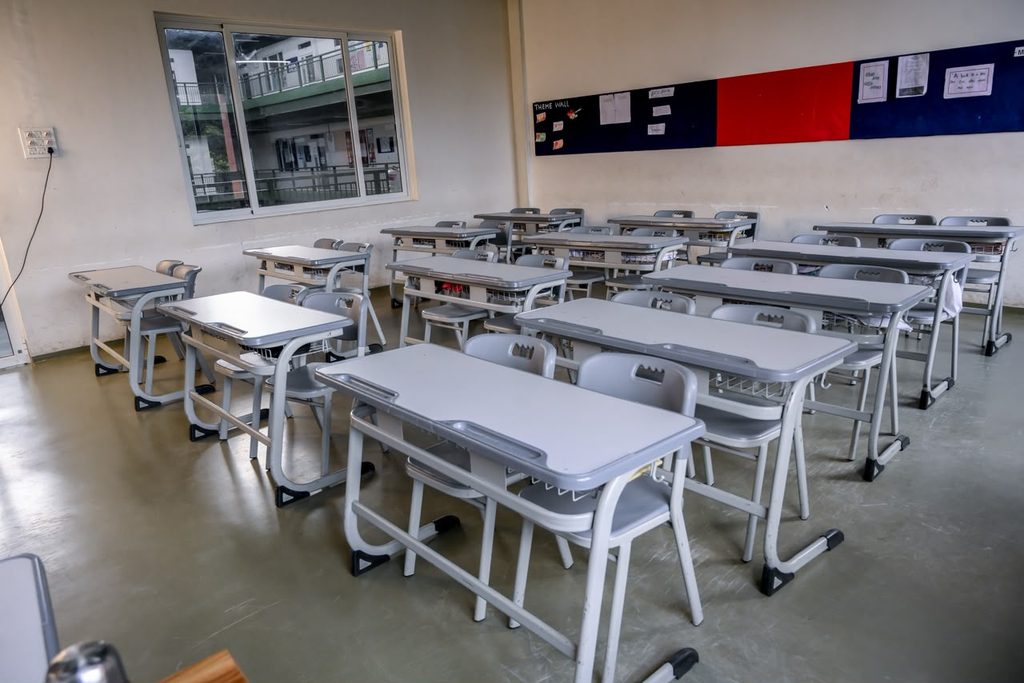
Here are some of the most important factors to consider when choosing classroom furniture for schools.
Choosing the right classroom furniture is an important part of creating a comfortable and functional learning environment. However, schools should also consider the wider furniture requirements of their classrooms, including durability, safety, storage and long-term usability. If you are planning a complete furniture setup for your school, you can also read our guide on how to choose the right school furniture for your classroom for more practical tips.
1. Consider the Age Group of Students
The furniture requirements of a preschool child are very different from those of a secondary school student.
Before selecting classroom furniture, consider:
- Age and height of the students
- Seating requirements
- Desk height
- Chair height
- Classroom activities
- Movement and accessibility
- Number of students in each classroom
For younger children, furniture should generally have an appropriate height and child-friendly design. Rounded edges and stable construction are particularly important in preschool environments.
Older students may require larger desks and chairs that provide sufficient legroom and comfortable seating for longer periods.
Choosing age-appropriate furniture helps create a classroom where students can sit comfortably and participate in activities without unnecessary physical discomfort.
2. Choose Comfortable Classroom Desks and Chairs
Students can spend several hours a day using classroom furniture. Comfort should therefore be one of the main considerations when selecting desks and chairs.
Poorly designed furniture can make students uncomfortable and may affect their ability to remain focused during lessons.
When evaluating classroom desks and chairs, consider:
- Appropriate seat height
- Proper back support
- Sufficient desk space
- Stable construction
- Smooth surfaces
- Comfortable legroom
- Easy movement around the classroom
The desk and chair should work together as a practical seating solution rather than being selected independently.
For schools planning large furniture purchases, testing sample units before placing a bulk order can also be helpful.
3. Think About Classroom Space
Not every classroom has the same dimensions or layout.
A good furniture arrangement should allow students and teachers to move around easily without making the room feel overcrowded.
Before purchasing furniture, consider the available floor space and decide how the desks and chairs will be arranged.
Depending on the classroom and teaching style, schools may choose layouts such as:
- Traditional rows
- Group seating
- Cluster arrangements
- Activity-based layouts
- Flexible classroom arrangements
The right furniture should support the intended layout rather than restricting how the classroom can be used.
4. Prioritise Durability
School furniture experiences much more daily use than furniture in a typical home.
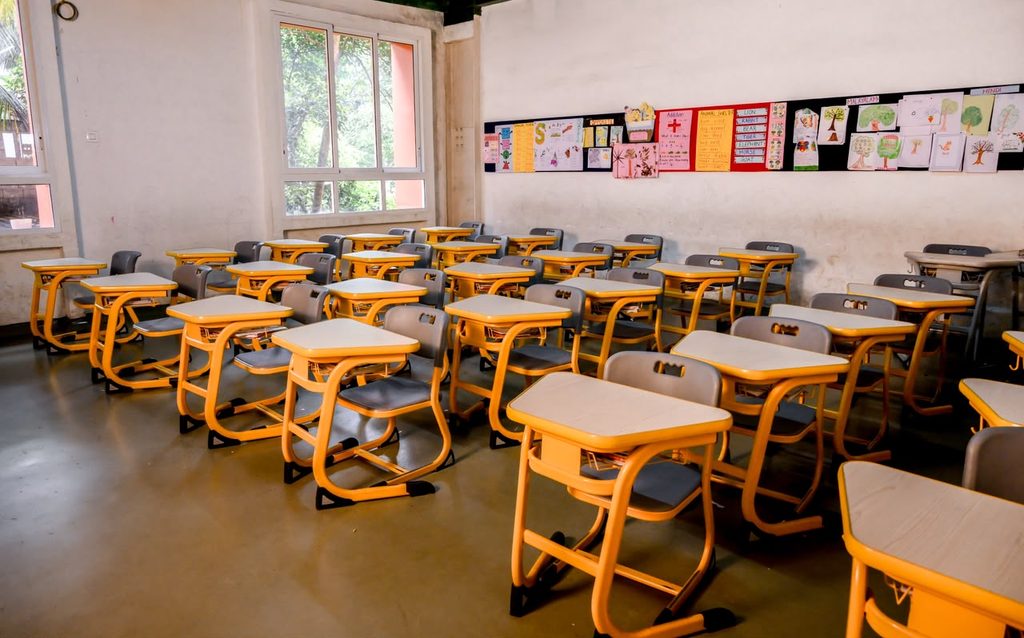
Desks and chairs are moved, cleaned and used repeatedly throughout the school year. This makes durability an important factor when comparing different furniture options.
Look for:
- Strong frames
- Durable materials
- Stable joints
- Good-quality surfaces
- Scratch-resistant finishes where appropriate
- Easy-to-maintain construction
Buying inexpensive furniture that needs frequent replacement may eventually cost more than investing in durable furniture from the beginning.
For schools, long-term value should be considered alongside the initial purchase price.
5. Safety Should Always Come First
Safety is another important consideration when selecting classroom furniture.
Furniture used by children should be stable and designed with everyday classroom use in mind.
Schools should check for:
- Stable desk and chair structures
- Smooth edges and surfaces
- Secure joints
- Appropriate height
- No unnecessary sharp edges
- Safe materials and finishes
- Furniture that does not easily tip or move unexpectedly
For younger children especially, furniture with rounded edges and child-friendly proportions can provide an added level of safety.
A classroom should allow students to learn, move and participate in activities without furniture becoming an unnecessary hazard.
6. Select Furniture That Supports Different Learning Activities
Modern classrooms are not limited to traditional teacher-led lessons.
Students may participate in:
- Group discussions
- Practical activities
- Team projects
- Creative work
- Reading sessions
- Individual assignments
- Collaborative learning
Furniture should ideally support these different activities.
For example, movable desks can make it easier to change the classroom arrangement when students need to work in groups.
Schools that use activity-based or collaborative teaching methods may therefore benefit from furniture that provides greater flexibility.
7. Pay Attention to Storage Requirements
Storage is often overlooked when planning classroom furniture.
A well-organised classroom needs suitable places for books, teaching materials, stationery, activity resources and other educational items.
Depending on the classroom, schools may consider:
- Storage cabinets
- Bookshelves
- Teacher storage units
- Student storage solutions
- Display units
- Activity storage
Good storage solutions can help reduce classroom clutter and make frequently used materials easier to access.
This is particularly useful in classrooms where teachers regularly use teaching aids and activity materials.
8. Choose Easy-to-Maintain Furniture
School furniture needs regular cleaning and maintenance.
Furniture with complicated designs or surfaces that are difficult to clean can increase maintenance work for school staff.
When comparing different options, consider whether the furniture can be:
- Easily wiped clean
- Regularly disinfected
- Maintained without specialised products
- Repaired if required
- Kept in good condition for several years
Simple and practical designs are often easier to maintain in busy educational environments.
9. Consider the Overall Classroom Environment
Furniture also contributes to the visual appearance of a classroom.
A well-planned classroom can feel organised, comfortable and welcoming when the furniture works well with the space.
Schools can consider furniture finishes and designs that complement:
- Classroom walls
- Flooring
- Lighting
- Storage units
- Teaching boards
- Other educational equipment
The goal should not simply be to fill the room with furniture. The furniture should work as part of the overall learning environment.
10. Think About Future Requirements
Schools often purchase classroom furniture in large quantities, so it is worth considering future requirements before placing an order.
Ask questions such as:
- Will the furniture work for future batches of students?
- Can additional units be ordered later?
- Are replacement parts available?
- Can the furniture be rearranged?
- Is the design suitable for different classroom activities?
- Can the furniture remain useful as the school expands?
Planning ahead can help schools avoid replacing furniture unnecessarily.
11. Choose a Reliable Classroom Furniture Supplier
The supplier you choose can be just as important as the furniture itself.
Schools may need furniture for multiple classrooms, laboratories, activity areas, offices or other educational spaces. A reliable supplier should therefore be able to understand the institution’s requirements and provide suitable solutions.
When comparing classroom furniture suppliers in Kerala, consider:
- Product quality
- Material and construction
- Available furniture options
- Customisation possibilities
- Bulk-order capability
- Delivery support
- Installation support
- After-sales service
- Previous educational projects
Instead of choosing a supplier based only on the lowest price, schools should consider the overall value and reliability of the solution.
12. Plan According to Your School’s Requirements
There is no single classroom furniture solution that works perfectly for every school.
A preschool, primary school, secondary school and higher education institution can all have different requirements.
Before purchasing, schools should prepare a clear list of:
- Number of classrooms
- Number of students
- Required desk and chair quantities
- Age groups
- Classroom dimensions
- Storage requirements
- Preferred furniture styles
- Budget
- Delivery requirements
Having this information ready makes it easier to discuss requirements with a furniture supplier and compare suitable options.
Why the Right Classroom Furniture Matters
Good classroom furniture is a long-term investment in the school environment.
Comfortable desks and chairs can help students maintain better seating habits. Practical layouts can make classroom movement easier. Durable furniture can reduce replacement costs, while suitable storage can help keep learning spaces organised.
Most importantly, the furniture should support the way the school wants its classrooms to function.
A thoughtfully planned classroom can create a more organised and comfortable environment for both students and teachers.
Final Thoughts
Choosing classroom furniture in Kerala requires careful consideration of comfort, safety, durability, space, maintenance and long-term value.
From student desks and chairs to storage and flexible classroom solutions, every element should be selected according to the school’s specific requirements.
Schools planning a new classroom setup or upgrading existing furniture should work with an experienced educational furniture supplier who can understand their requirements and recommend practical solutions.
With the right planning, classroom furniture can become more than just functional equipment—it can become an important part of creating a better learning environment.
Looking for classroom furniture solutions for your school? Explore Tenfolds’ range of school and educational furniture designed for modern learning environments.